Warming up the yaks…
187+ destinations with route intel, permits and honest advice
187 destinations
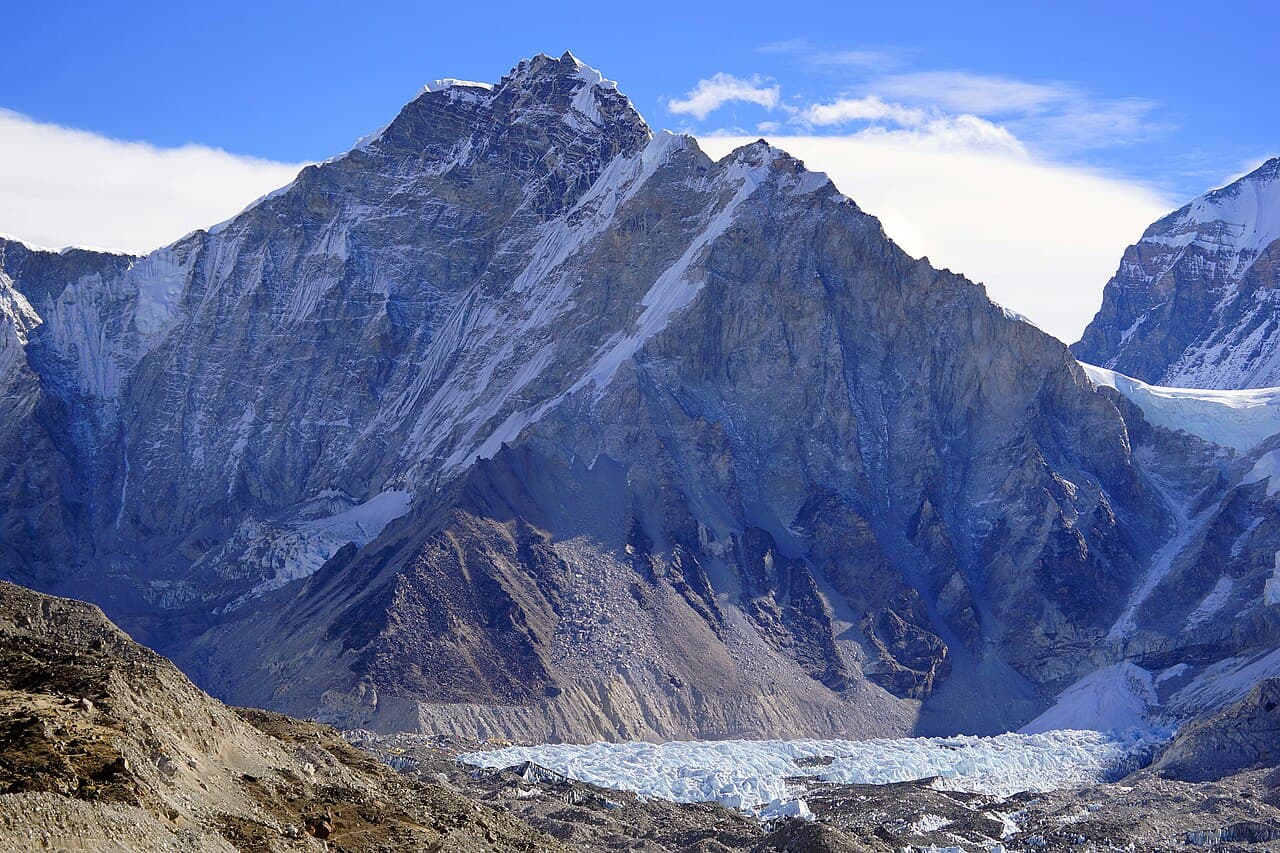
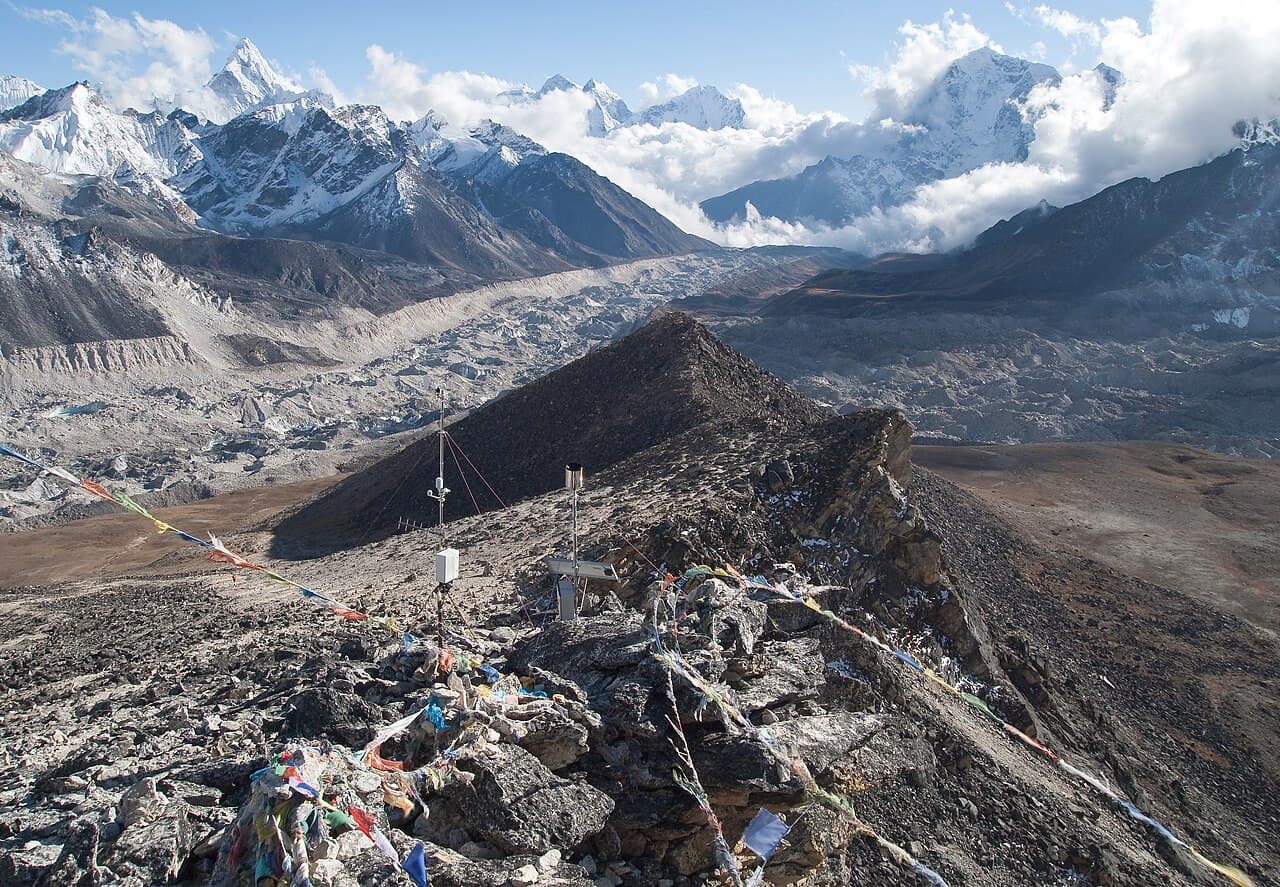
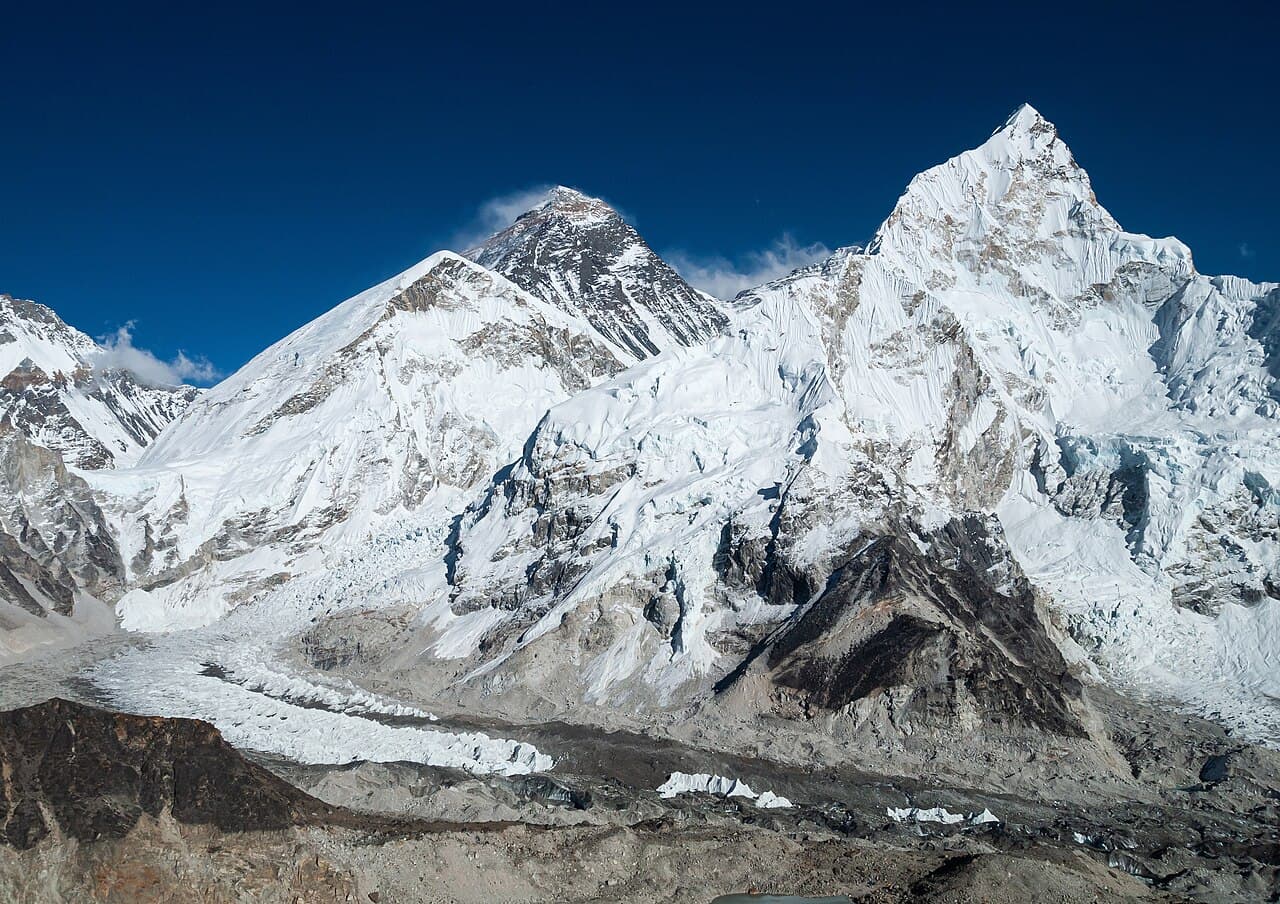
Nepal's most famous trek: Sherpa villages, high-altitude monasteries and the Khumbu Icefall amphitheatre beneath Everest itself. Well-developed teahouse route with serious altitude.
Best: Mar–May, Oct–Nov
$35–60/day
Challenging· 12–14 days
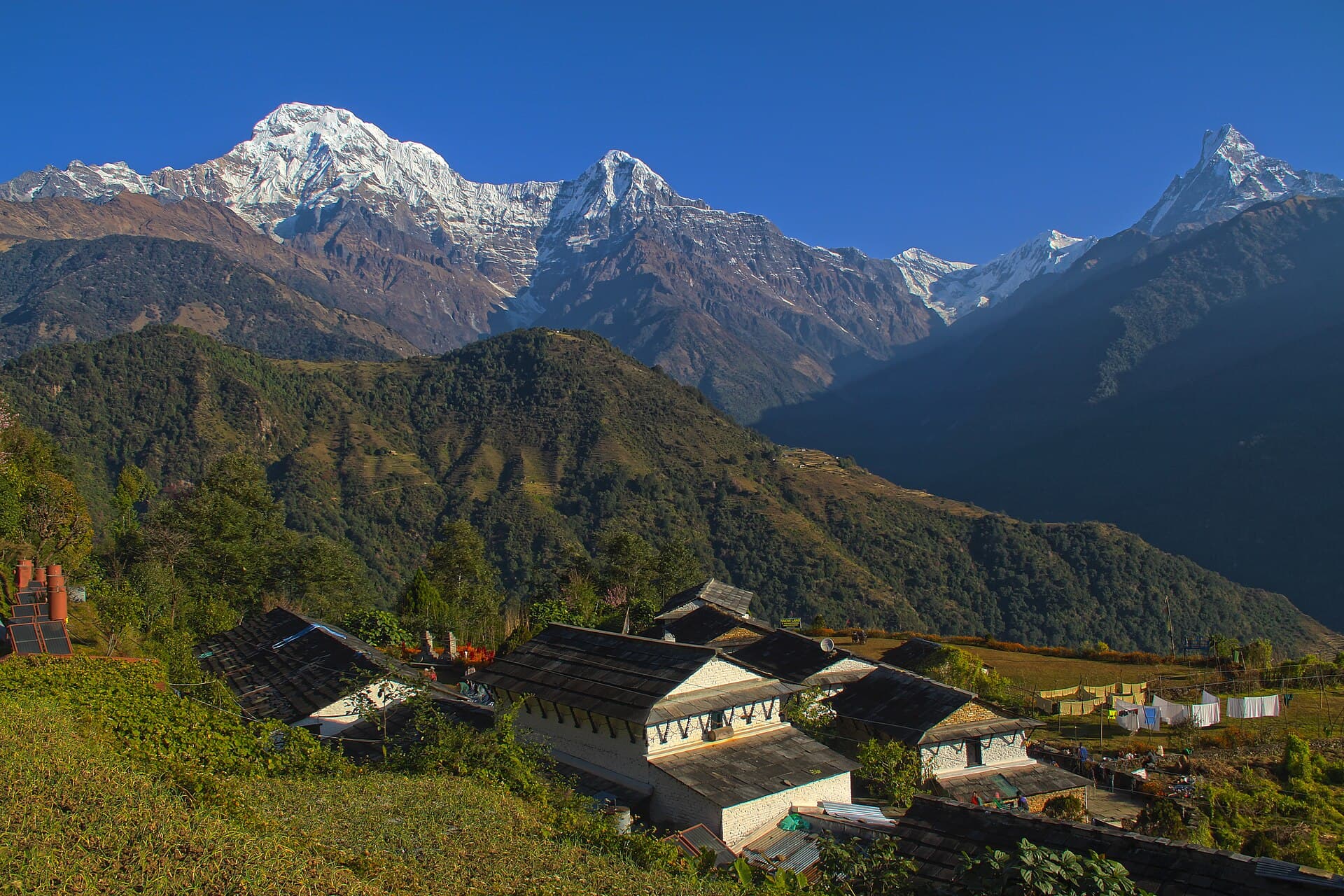
Into the Annapurna Sanctuary — a glacial amphitheatre ringed by Annapurna I, Machapuchare and Hiunchuli — through Gurung villages, bamboo forest and the Jhinu hot springs.
$25–45/day
Moderate· 7–11 days
The legendary lap of the Annapurna massif: subtropical valleys to the arid Manang plateau, over the 5,416 m Thorong La to Muktinath and the Kali Gandaki gorge.
Challenging· 10–16 days
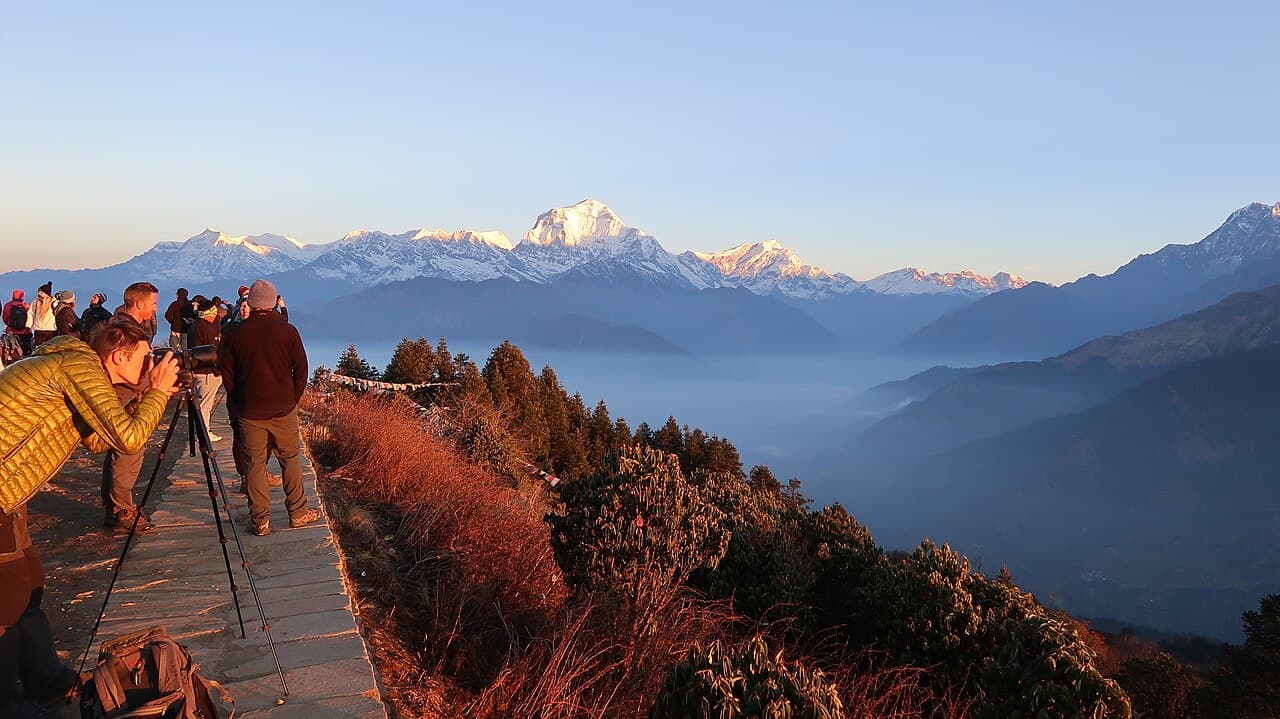
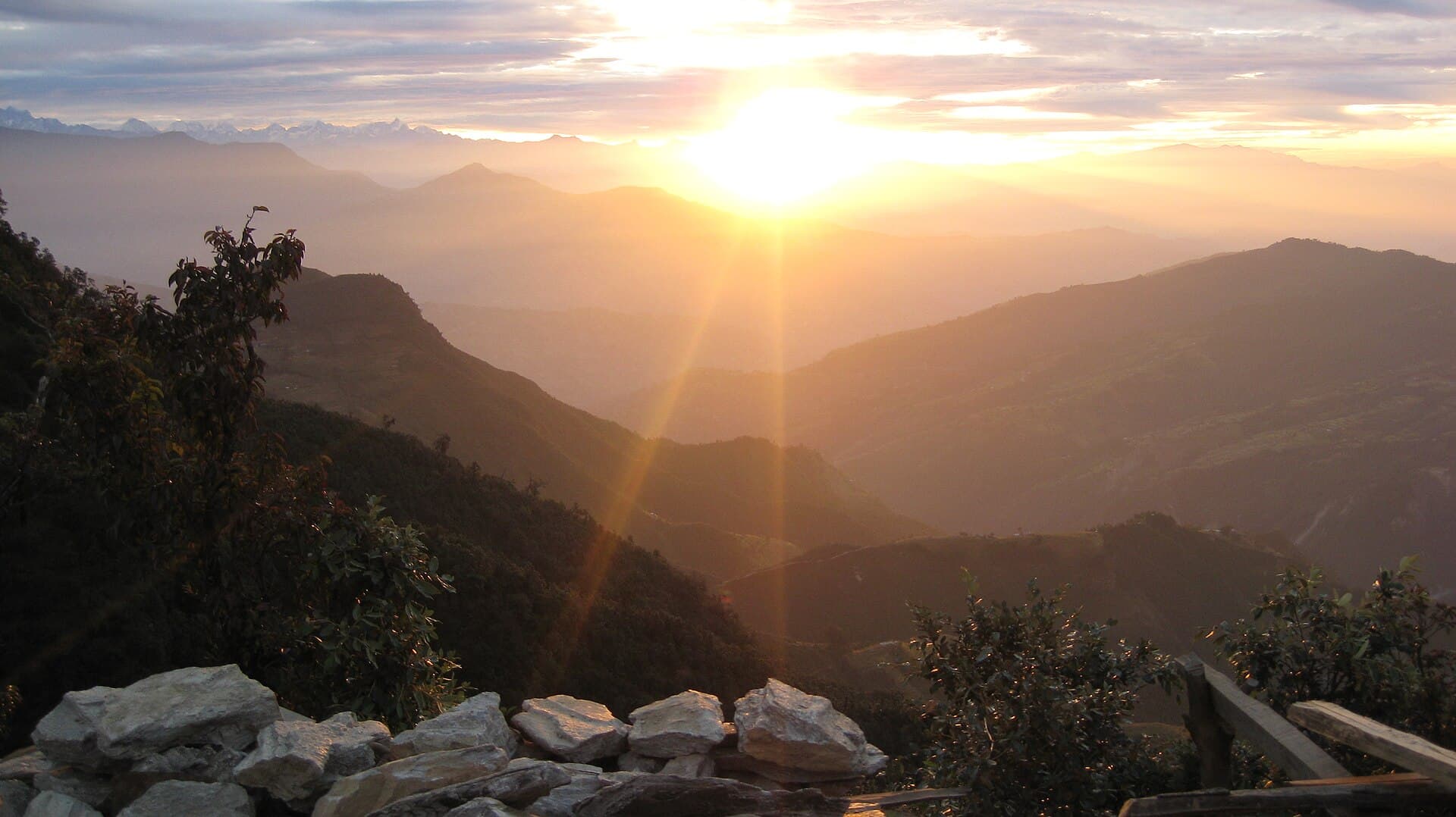
Nepal's classic short trek: rhododendron forests, Magar villages and the famous Poon Hill sunrise over Dhaulagiri and the Annapurnas. The best first trek in the Himalaya.
Best: Oct–May (rhododendrons bloom Mar–Apr)
$25–40/day
Easy· 3–5 days
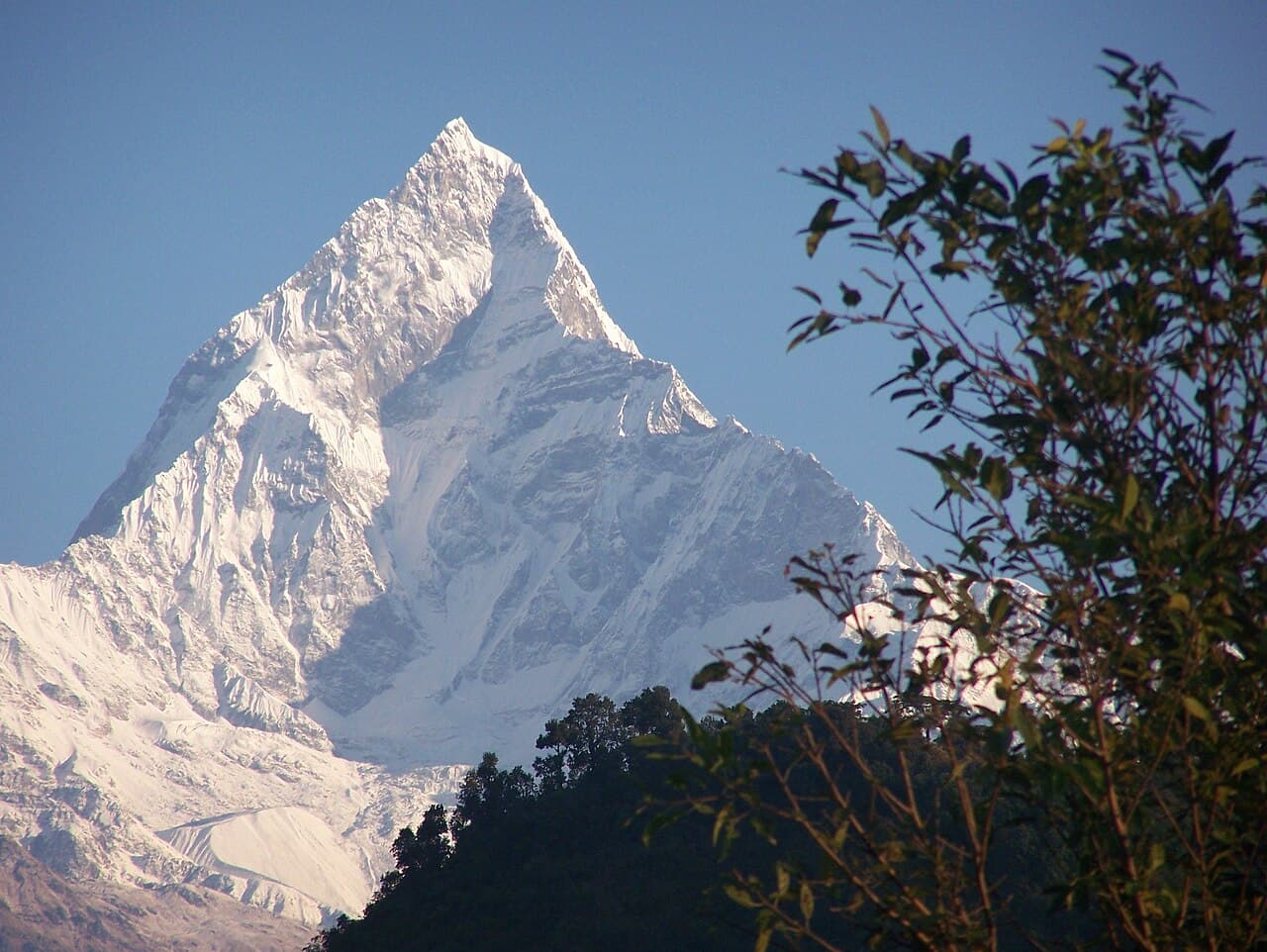
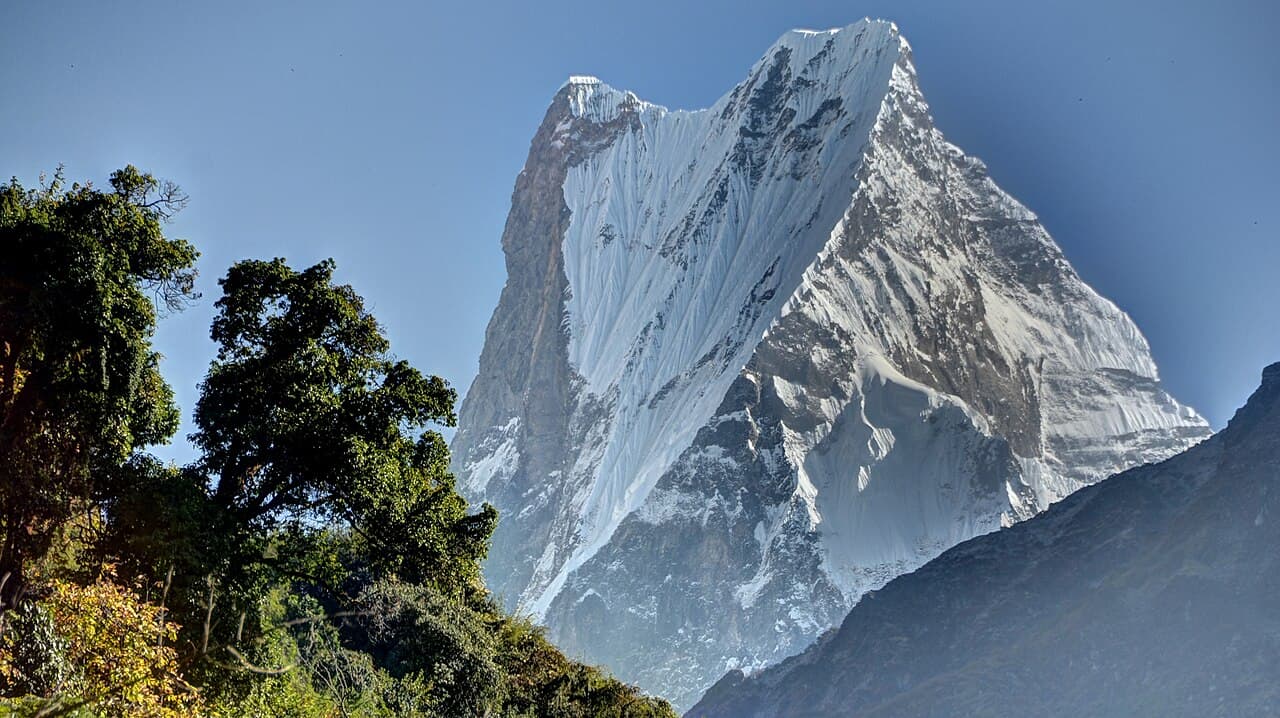
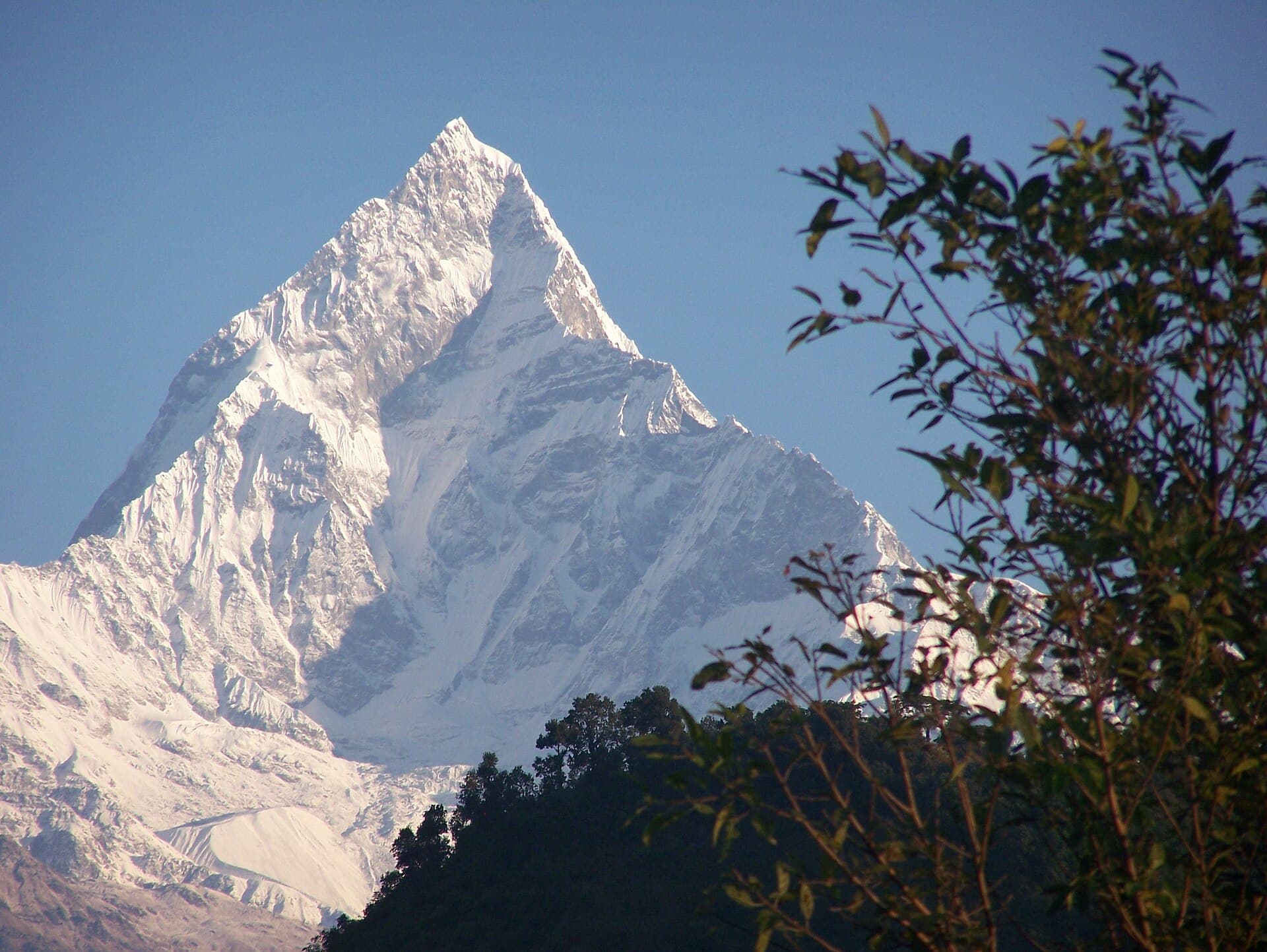
A ridge-line trek straight at Machapuchare: forest camps giving way to alpine grass at High Camp, with a stiff pre-dawn push to the Mardi viewpoints. Pokhara's favourite 4–5 day escape.
Best: Mar–May, Oct–Dec
Moderate· 4–6 days
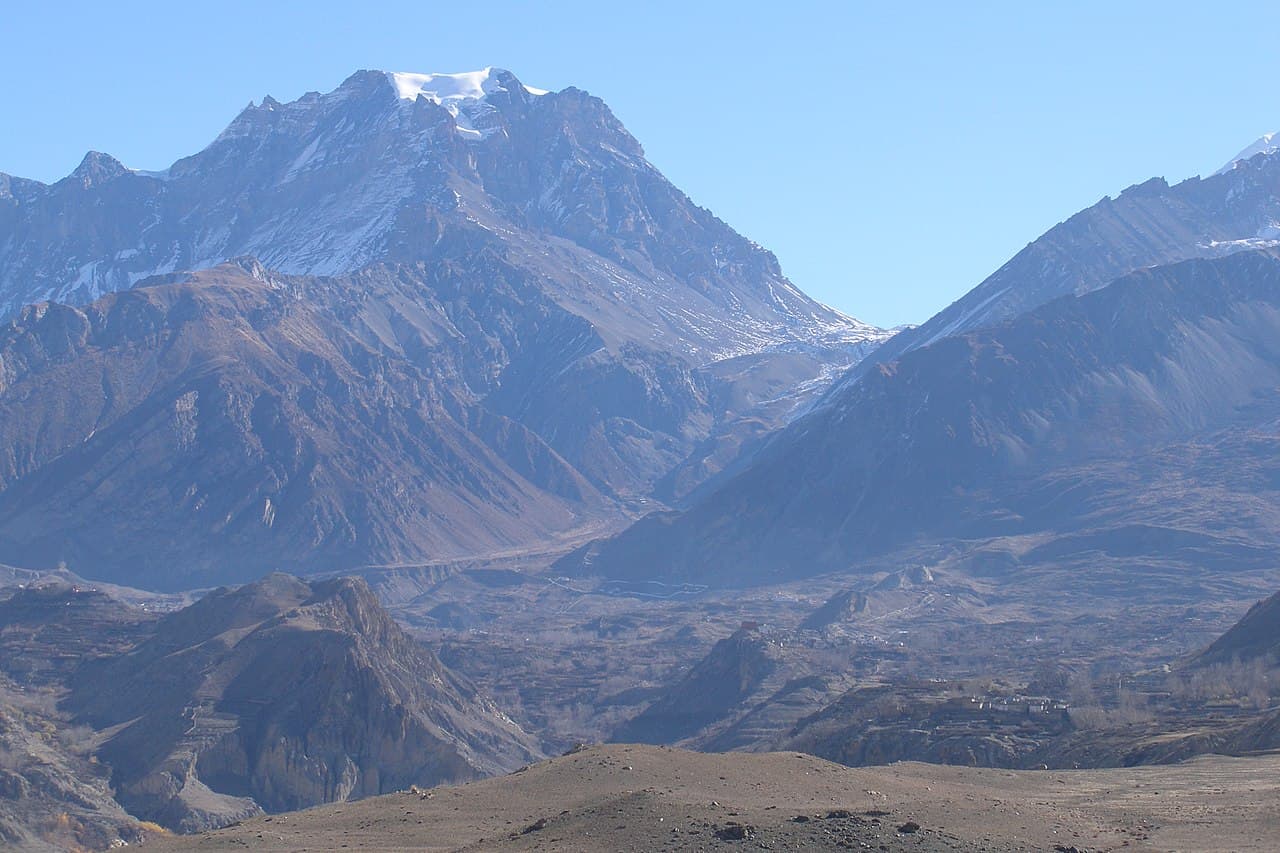
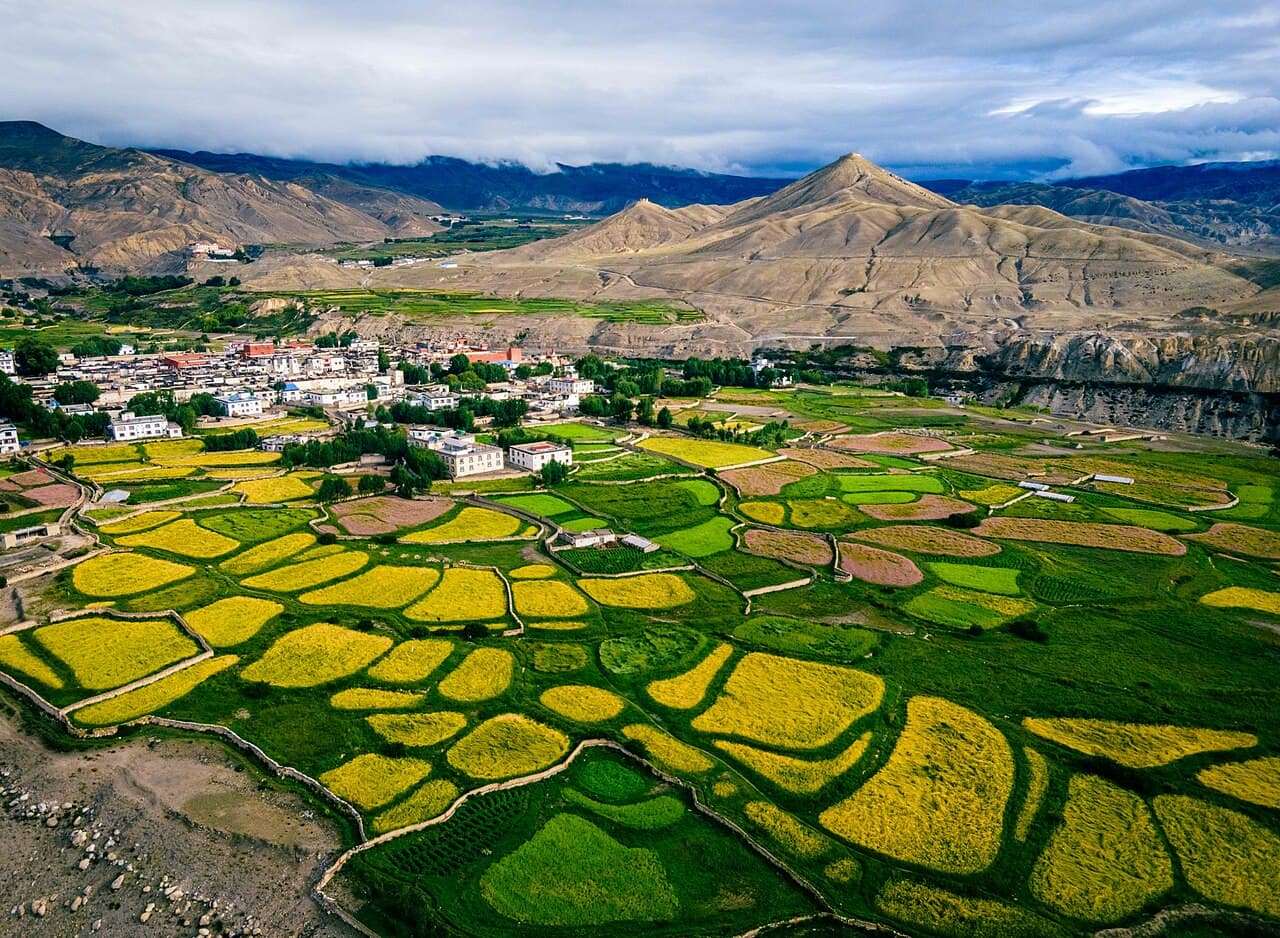
A restricted-area journey into the former Kingdom of Lo: eroded desert canyons, cave monasteries and the walled capital Lo Manthang, culturally Tibetan and rain-shadow dry.
Best: Mar–Nov (one of the few monsoon-friendly treks)
$40–70/day
Challenging· 10–14 days
The closest big-mountain valley to Kathmandu: Tamang villages rebuilt after the 2015 earthquake, yak pastures at Kyanjin Gompa and the Tserko Ri viewpoint at nearly 5,000 m.
Moderate· 6–8 days
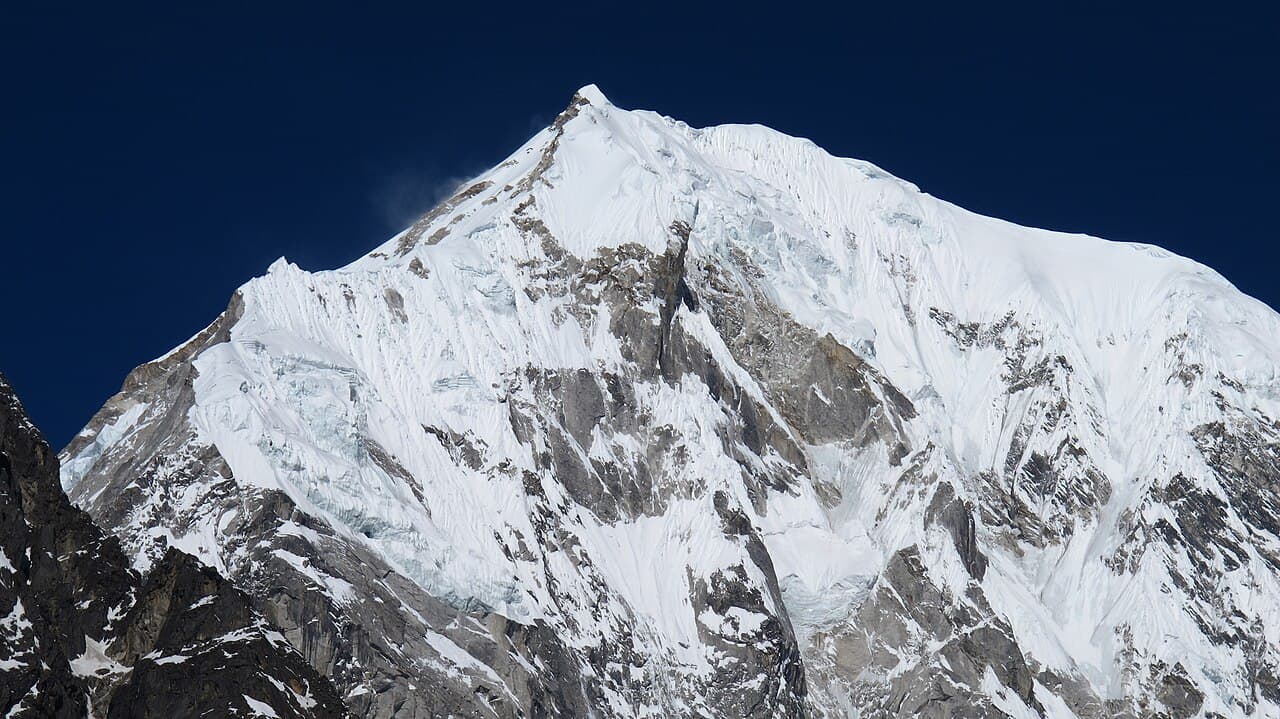
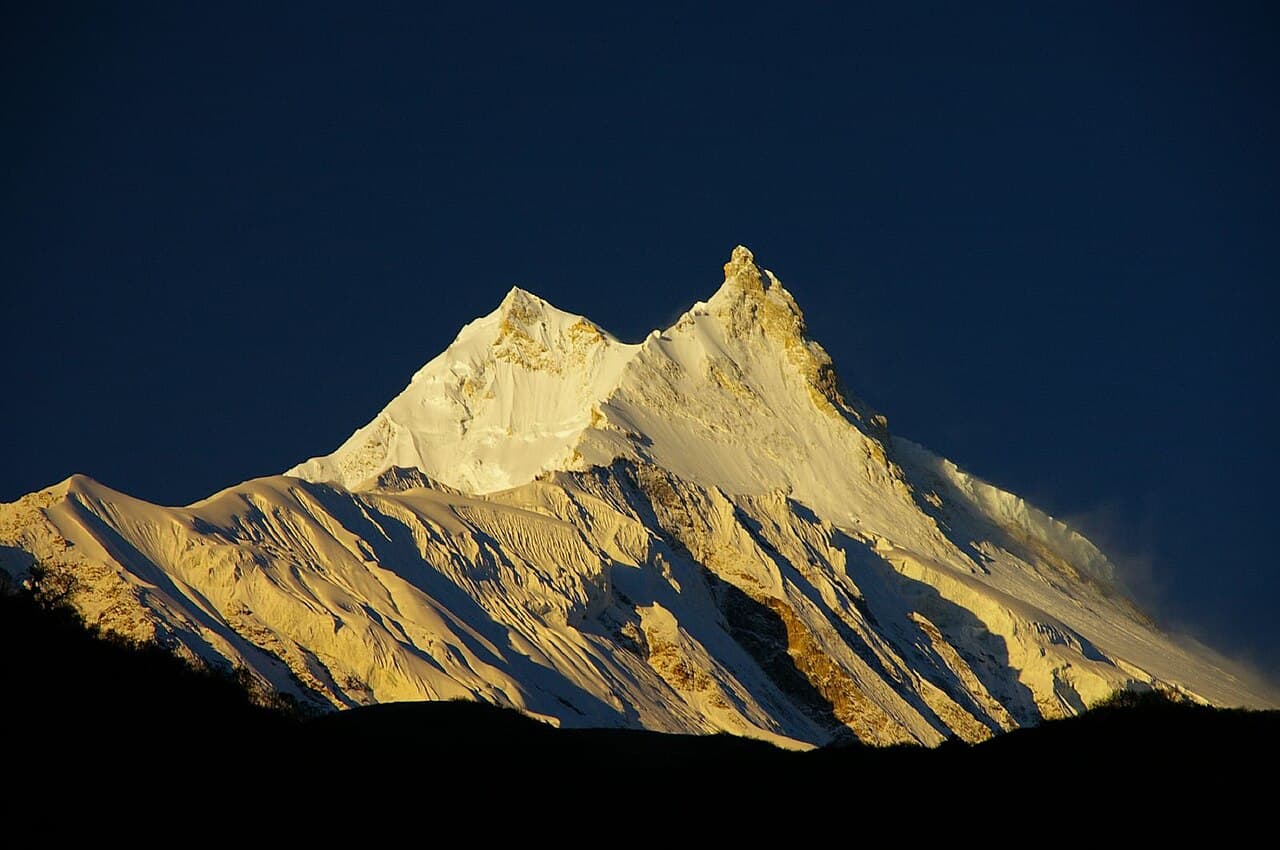
The circuit many now rate above Annapurna: the deep Budhi Gandaki gorge, Tibetan-Buddhist Nubri villages, and the glacial Larkya La (5,106 m) beneath the world's eighth-highest peak.
$35–55/day
Difficult· 12–16 days
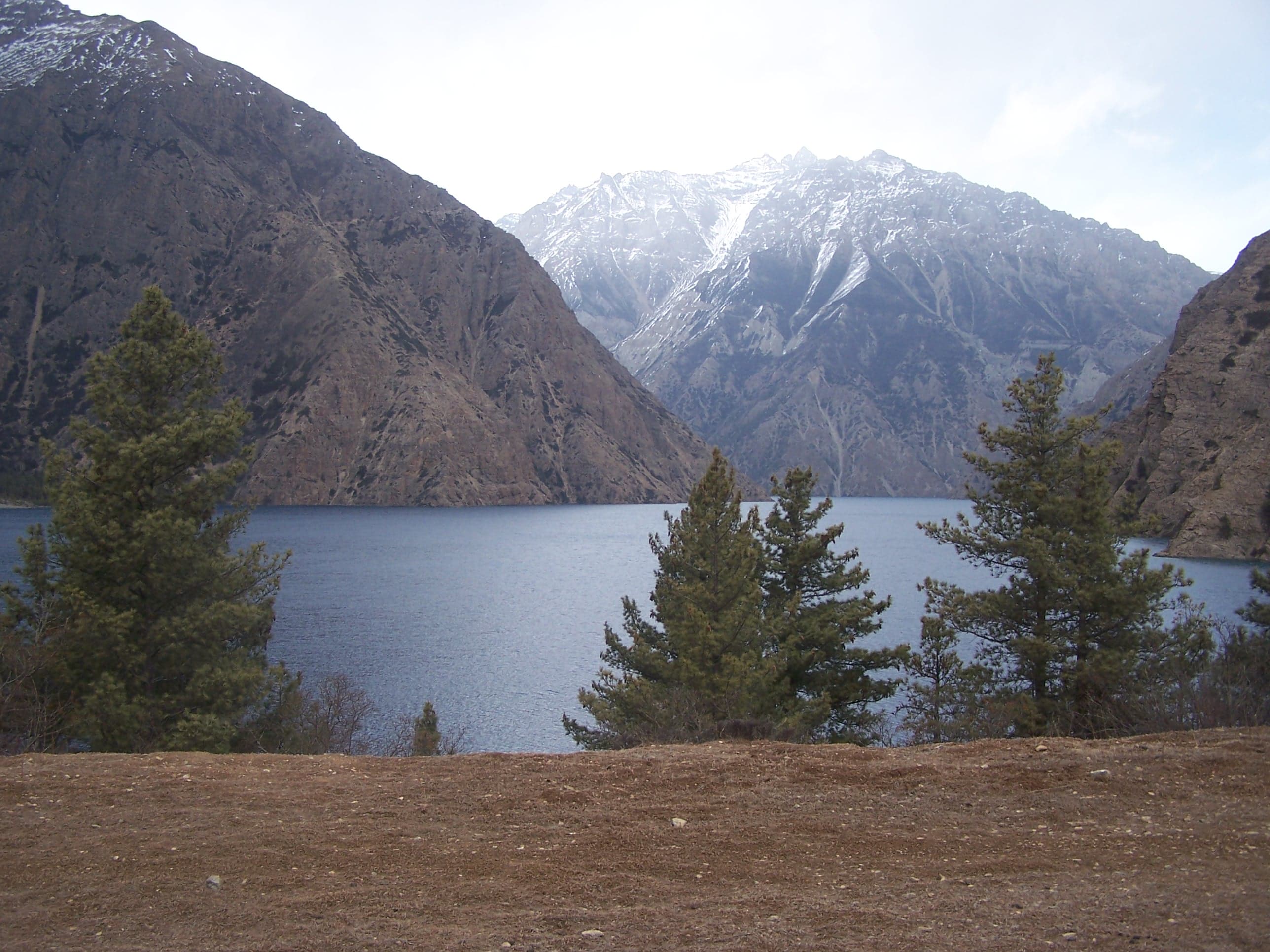
Short trek from Juphal to Nepal's deepest lake — the impossibly turquoise Phoksundo beneath Ringmo's Bon monastery, inside Shey Phoksundo National Park.
Best: Apr–Jun, Sep–Nov
$30–50/day
Moderate· 5–7 days
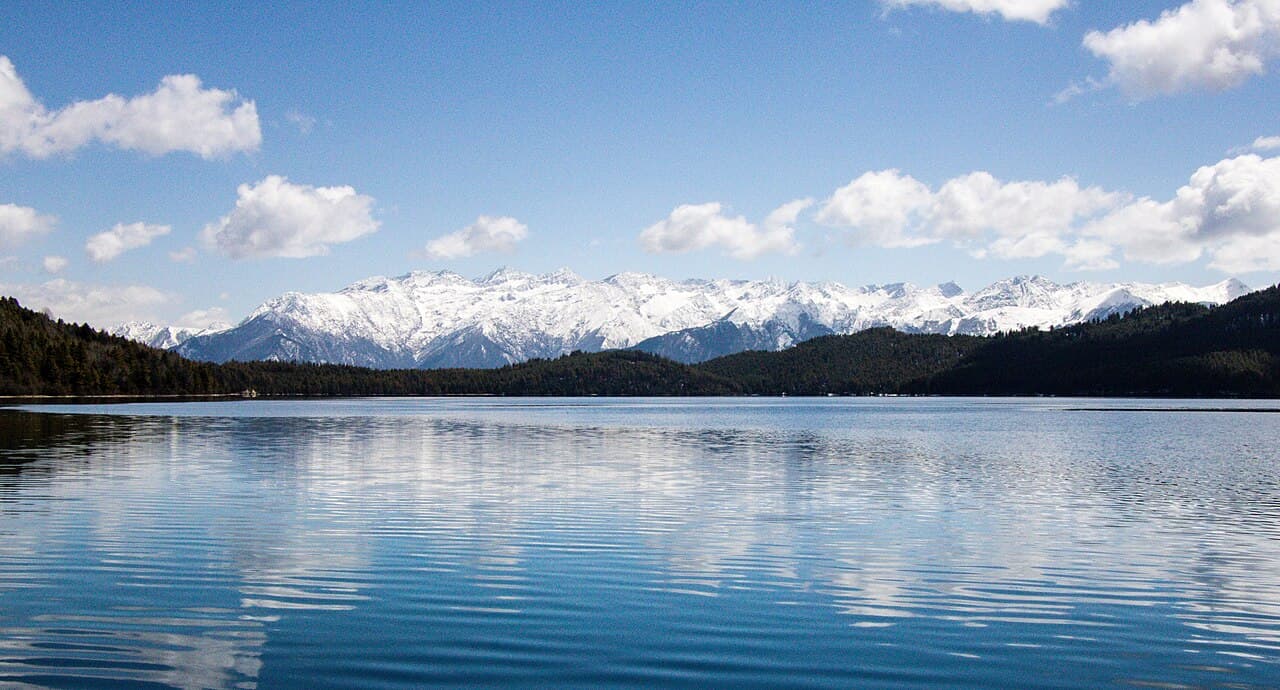
Nepal's biggest lake, ringed by pine forest inside its smallest national park — reached by short flights to Talcha or a scenic walk-in from Jumla. Serenely quiet outside October.
Moderate· 4–9 days
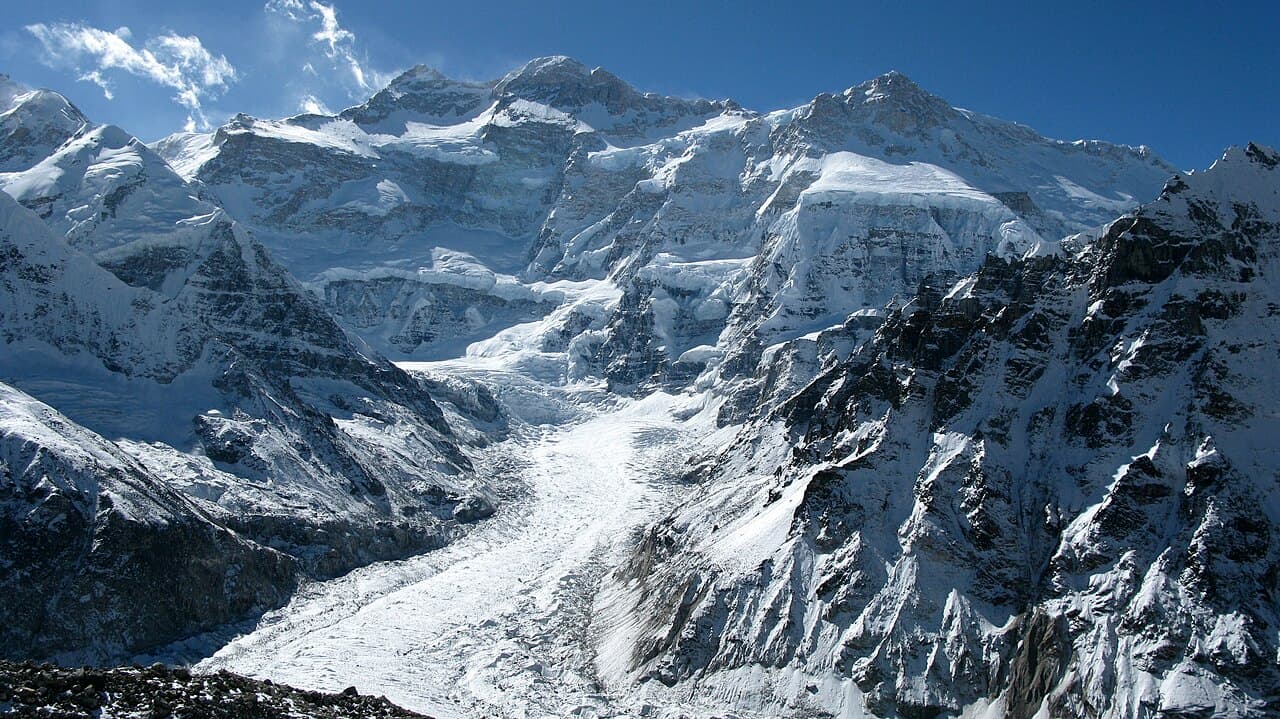
Nepal's great eastern expedition: three weeks to the north (Pangpema) and/or south (Oktang) base camps of the world's third-highest mountain, through Limbu and Sherpa country.
Best: Apr–May, Oct–Nov
Extreme· 18–24 days
Hindu temple
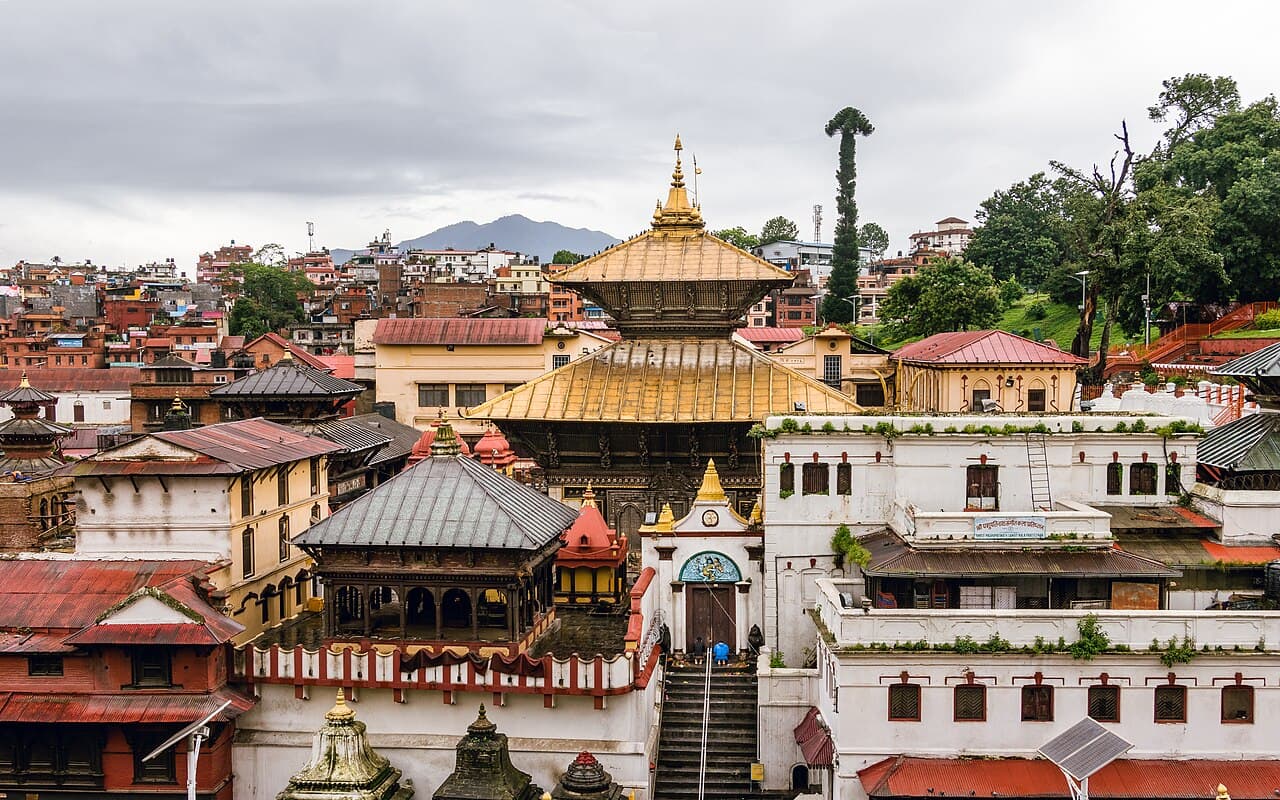
Nepal's holiest Hindu shrine and a UNESCO site: the great Shiva temple on the Bagmati, its ghats, sadhus and evening aarati. The main sanctum is open to Hindus only; the wider complex welcomes all.
Best: Year-round, Maha Shivaratri festival (Feb/Mar)
Buddhist stupa
The 'Monkey Temple' on its valley-floor hill — Kathmandu's oldest sacred site, where the all-seeing Buddha eyes watch over the city. 365 steps up the eastern stairway.
Best: Year-round
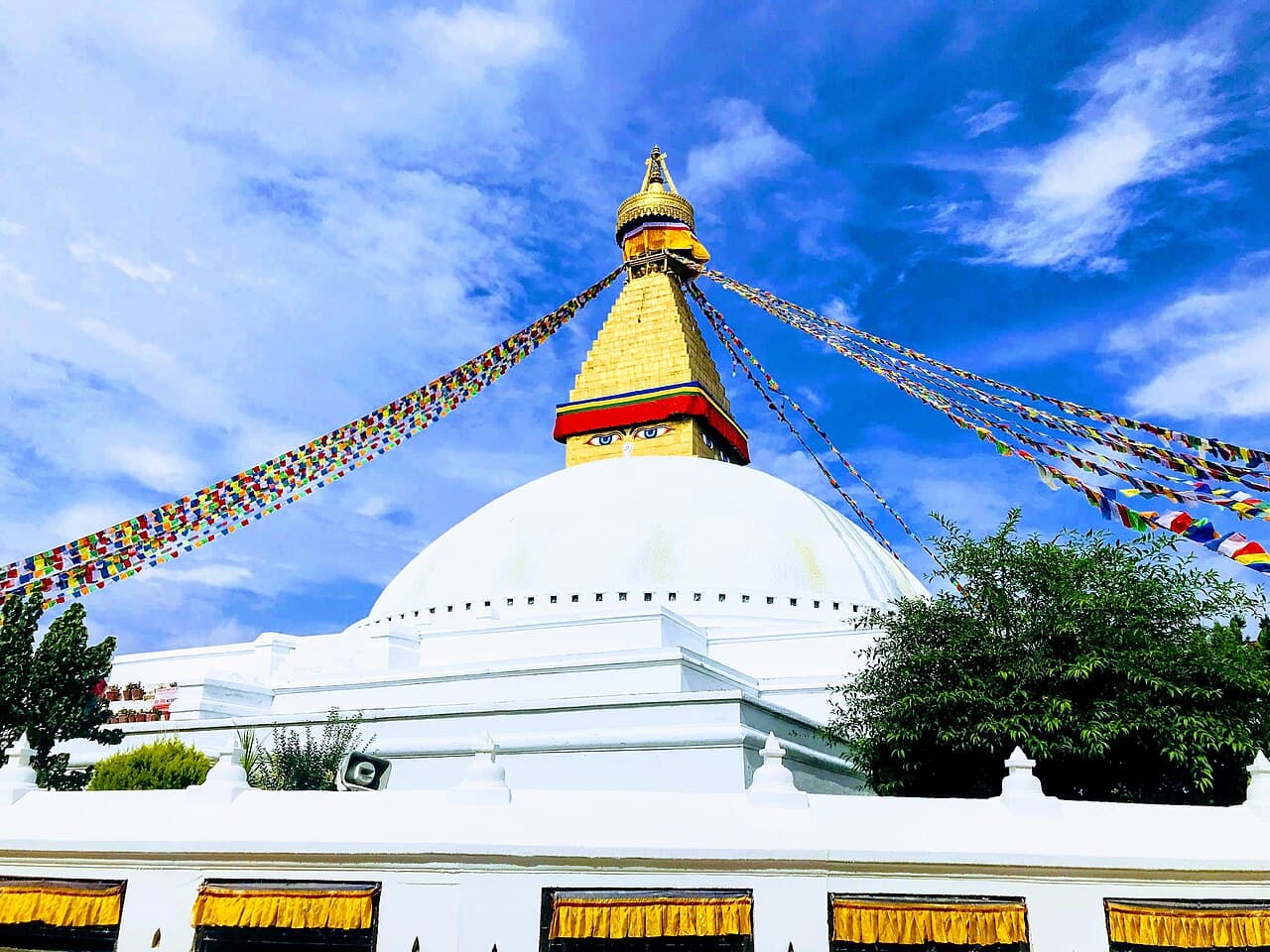
One of the world's largest stupas and the heart of Nepal's Tibetan community — join the evening kora with pilgrims, butter lamps and rooftop cafés ringing the dome.
Best: Year-round, Losar (Tibetan New Year)
The wish-fulfilling Bhagwati of Gorkha, perched at 1,300 m above the Trishuli — Nepal's original cable-car pilgrimage, swinging up from Kurintar in ten minutes.
Best: Year-round, Dashain is extremely busy
Ridge-top Bhagwati shrine at 3,842 m above Kuri village — Nepal's favourite winter-snow escape, with a short cable car to the temple and Gaurishankar filling the horizon.
Best: Year-round; Dec–Feb for snow
Hindu & Buddhist shrine
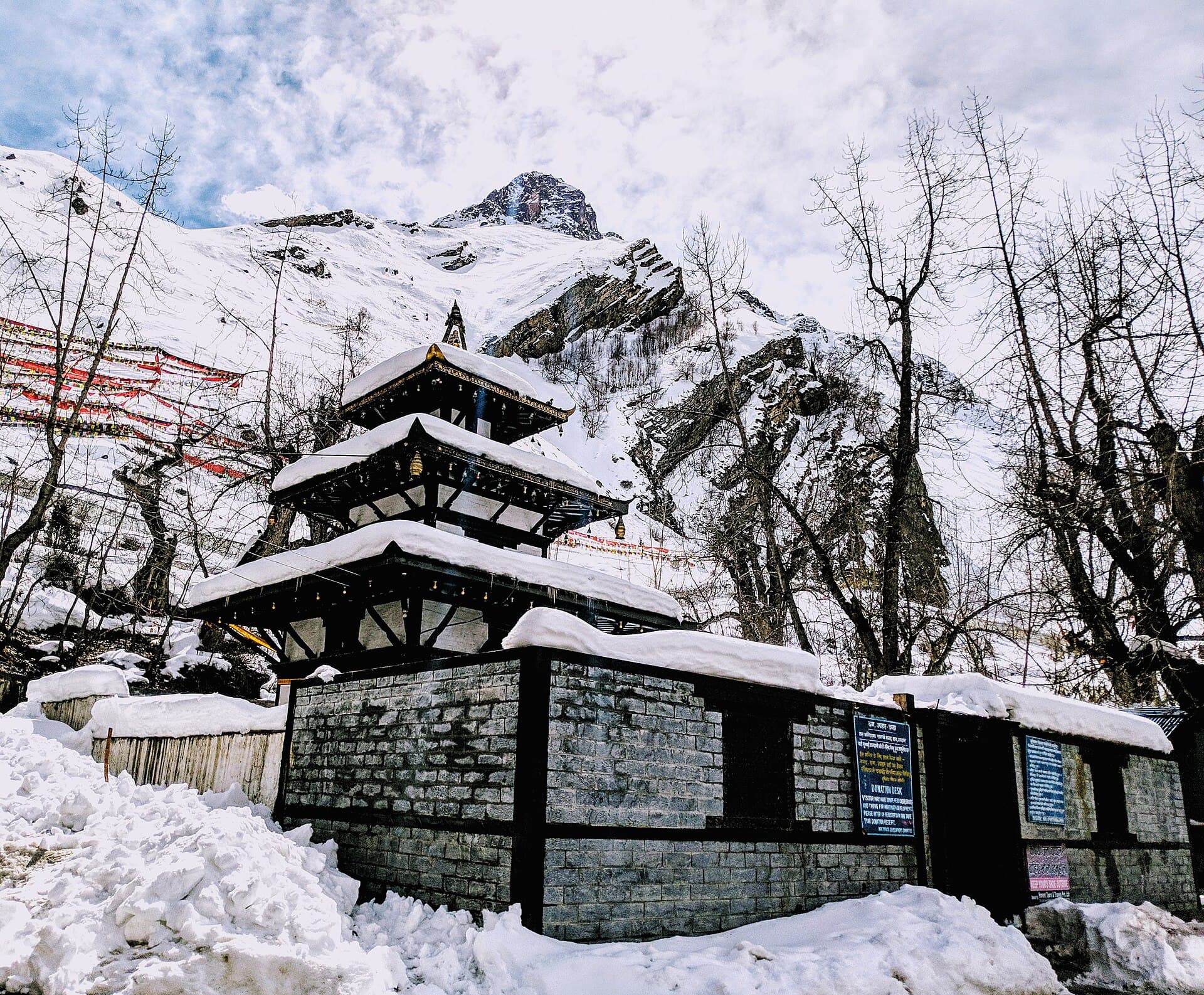
'Place of liberation' at 3,800 m: 108 water spouts, an eternal natural flame and a shrine sacred to Vaishnav Hindus and Buddhists alike, below the Thorong La.
Best: Mar–Nov
Buddhist site
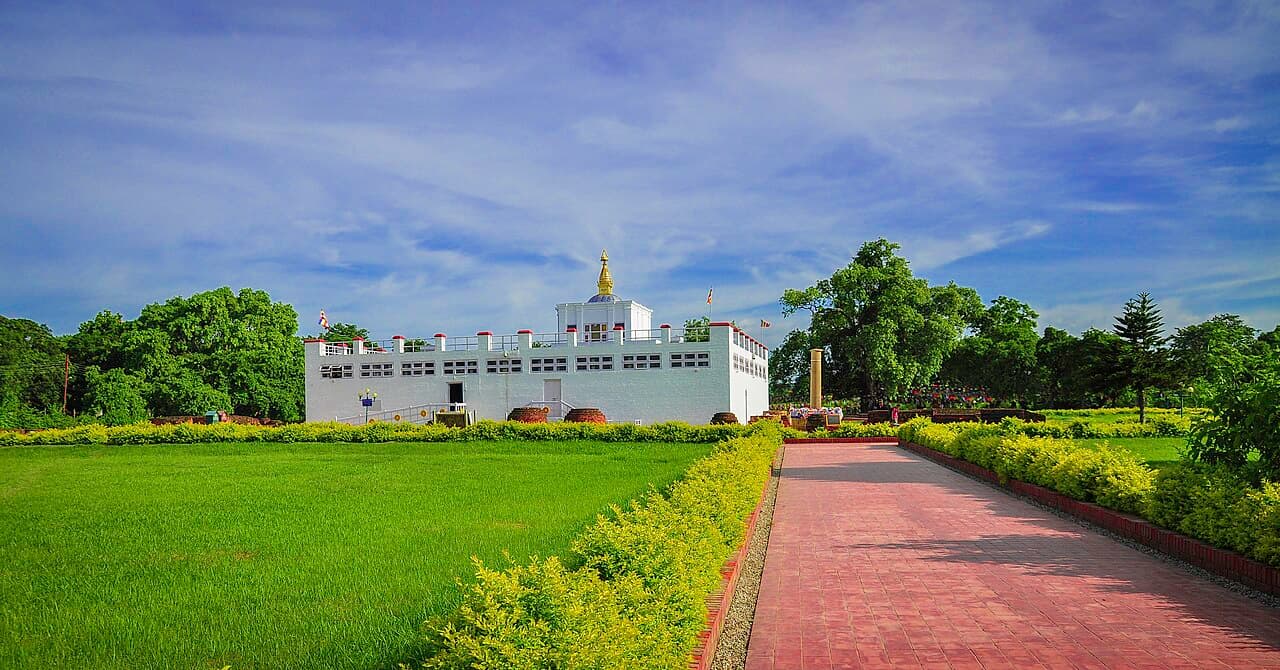
UNESCO World Heritage birthplace of Siddhartha Gautama: the Maya Devi temple and Ashokan pillar, ringed by a monastic zone where dozens of nations have built monasteries.
Best: Oct–Mar (very hot Apr–Jun)
Great white Mughal-Rajput style palace-temple of Sita in her legendary birthplace — the heart of Mithila culture, spectacular at Vivaha Panchami (Ram-Sita wedding festival).
Best: Oct–Mar, Vivaha Panchami (Nov/Dec)
Eastern Nepal's wish-granting goddess at 3,794 m, with Kanchenjunga behind — reached by a steep pilgrim trail or the new cable car from Kaphlepati.
Best: Oct–May
Durbar square
The old royal heart of Kathmandu: Hanuman Dhoka palace, the Kumari Ghar of the living goddess, Kasthamandap and a maze of temples — UNESCO-listed and still a working bazaar city around it.
The finest concentration of Newar art in Nepal: Krishna Mandir's stone spire, the world-class Patan Museum and courtyards of metalworkers who still cast statues as their ancestors did.
Heritage city
A whole medieval Newar city preserved: the 55-Window Palace, Nyatapola pagoda, pottery squares and juju dhau ('king curd') — best overnight, after the day-trippers leave.
Hill town
A traffic-free Newar bazaar ridge between Kathmandu and Pokhara, reborn as Nepal's loveliest heritage stopover — silk-trade mansions, sunset promenade and Himalayan panoramas.
Traveller town
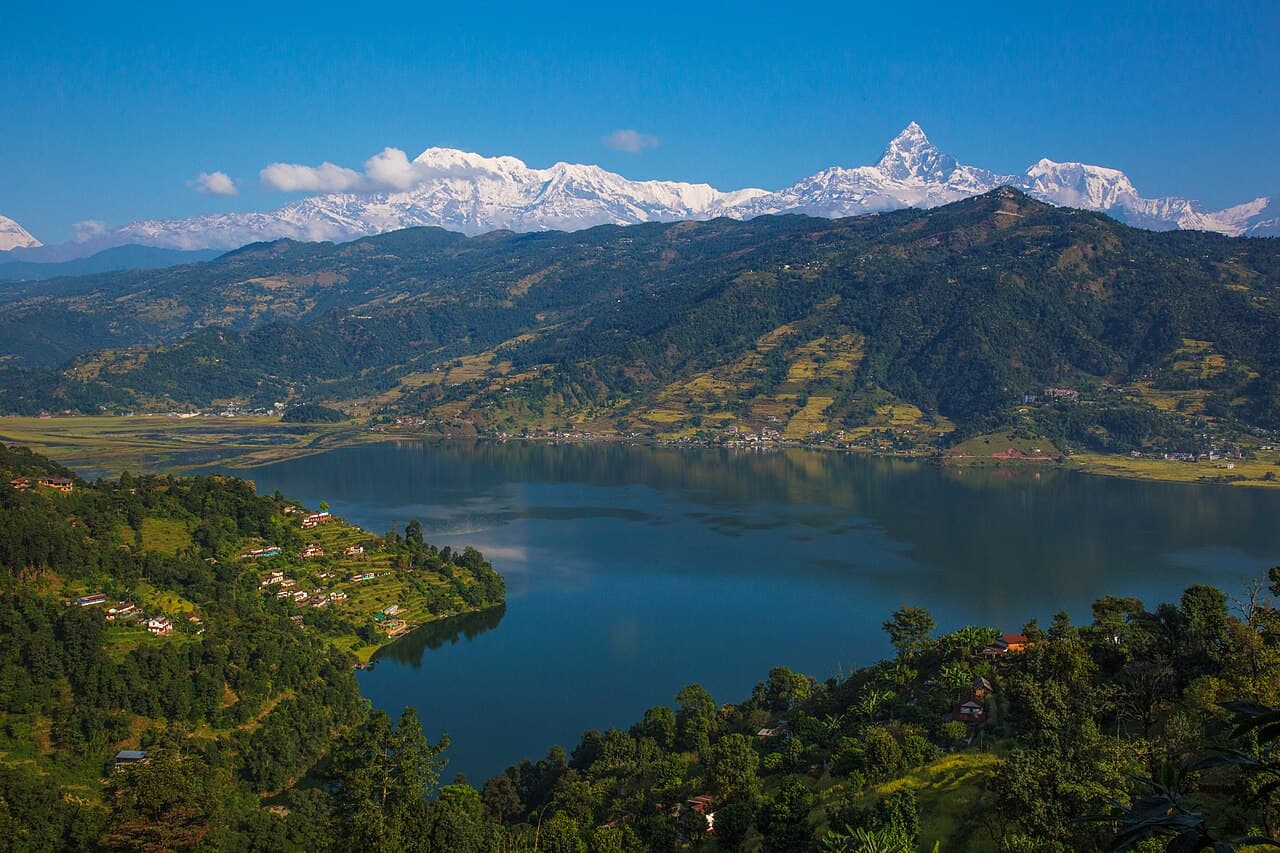
Nepal's lake-and-mountain resort strip: café mornings with Machapuchare reflections, boating to Tal Barahi, and the logistics base for every Annapurna adventure.
National park
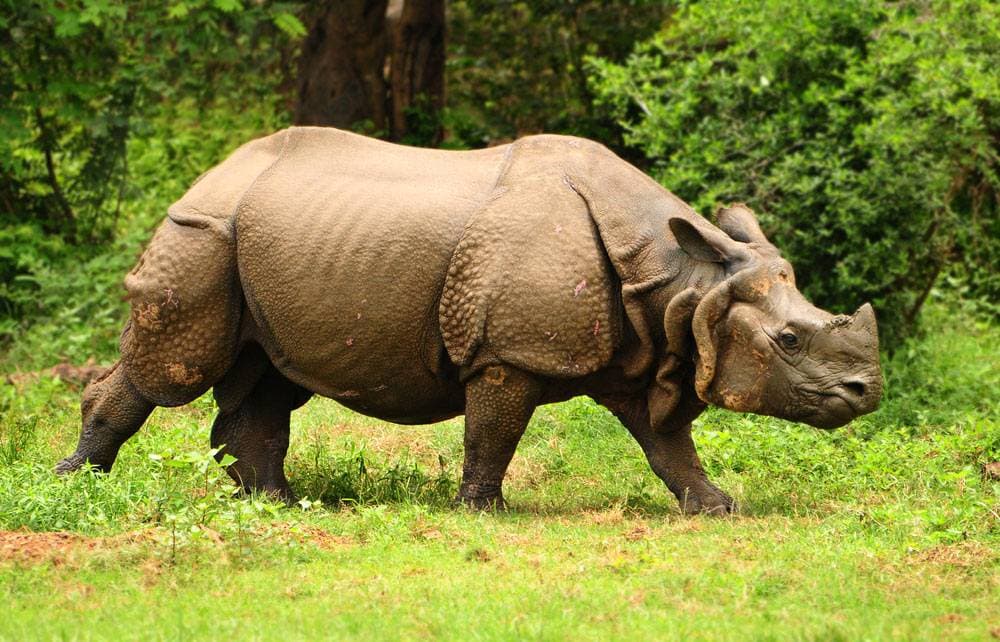
Nepal's first national park and a UNESCO site: one-horned rhinos, gharial crocodiles, 500+ bird species and a healthy tiger population in Terai sal forest and grassland. Sauraha and Meghauli are the main hubs.
Best: Oct–Mar (grass cutting Jan–Feb opens sightlines)
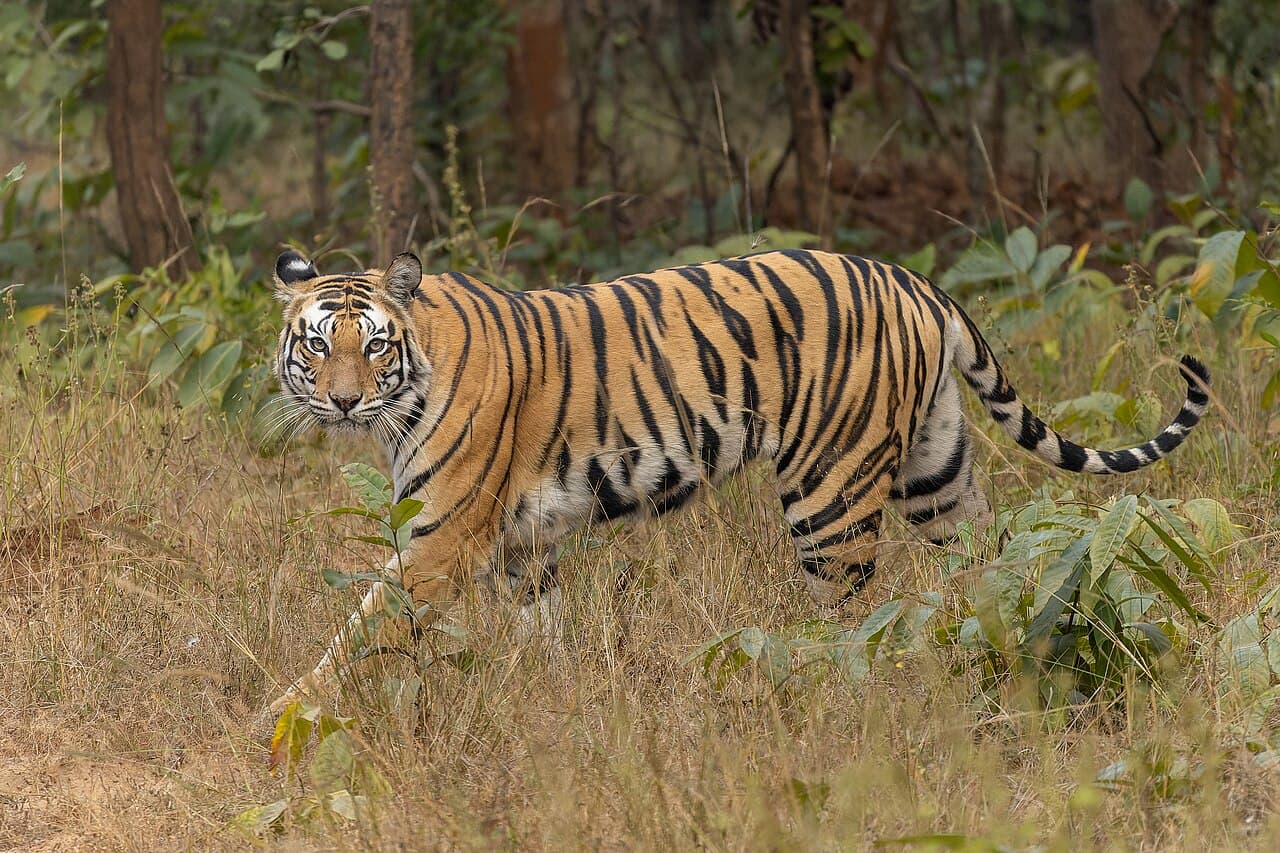
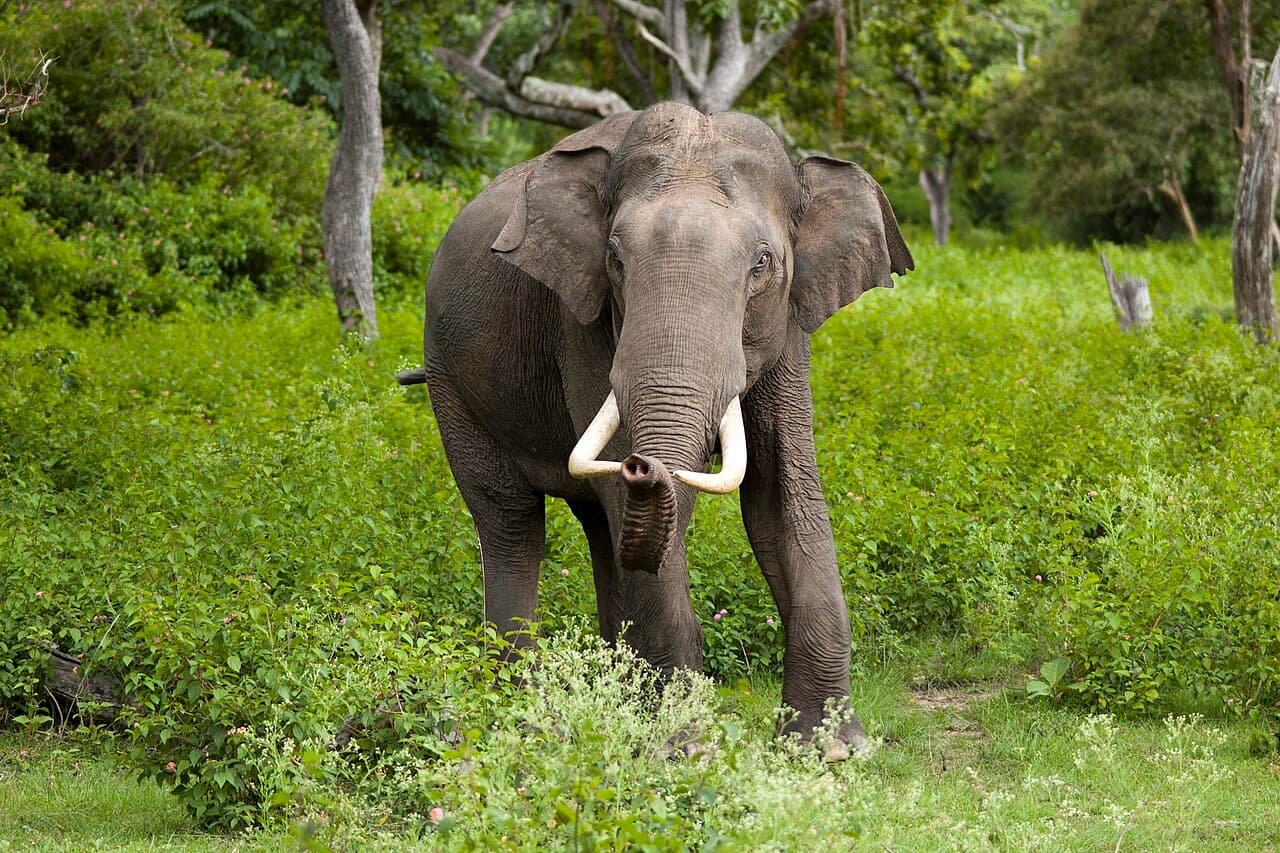
The wilder, quieter Chitwan: far-west sal jungle where tiger sightings are among Asia's best, plus wild elephants, Gangetic dolphins in the Karnali and genuine walking-safari culture.
Best: Feb–May for tigers (hot), Oct–Jan pleasant
The most popular short trek in Nepal, offering one of the best sunrise views over the Annapurna and Dhaulagiri ranges.
Best: March-May (rhododendrons), October-November
Easy
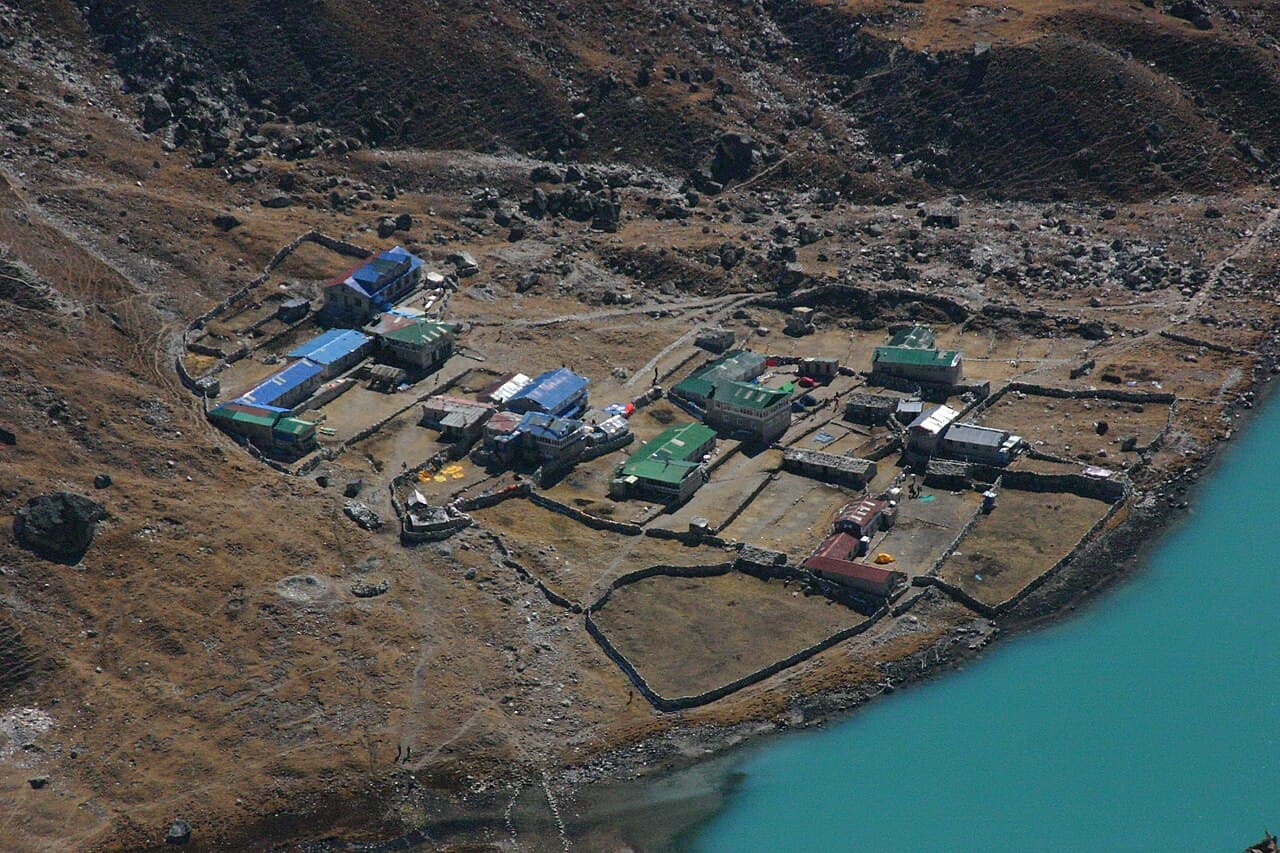
The connoisseur's EBC: approach through the turquoise Gokyo Lakes and Gokyo Ri, crossing the glaciated Cho La pass to join the classic route at Lobuche.
Difficult· 15–18 days
A quieter Khumbu alternative ending at the sacred turquoise lakes below Cho Oyu, with the Gokyo Ri viewpoint rivalling Kala Patthar.
Challenging· 10–12 days
The complete Khumbu circuit over Kongma La, Cho La and Renjo La (all ~5,400 m), linking Chhukung, EBC and Gokyo. The hardest standard teahouse route in the region.
Extreme· 17–21 days
A short, lower-altitude taste of Khumbu: Lukla to Namche and the Everest View Hotel ridge, with Everest, Lhotse and Ama Dablam on the horizon.
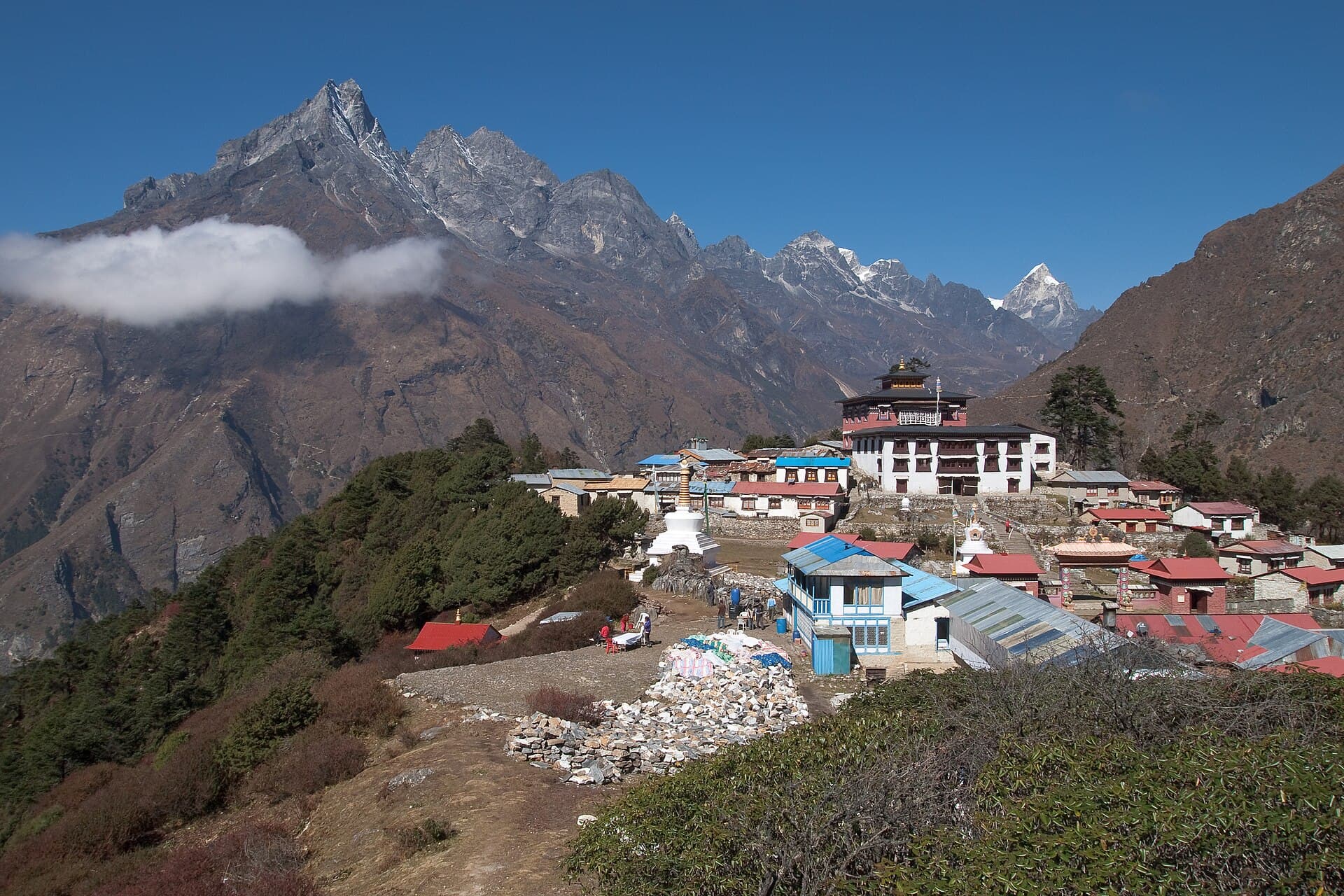
Extends the Everest View route to Khumbu's spiritual heart at Tengboche Monastery, without pushing into the highest, coldest villages.
Moderate· 7–9 days
Lower Solu ridge trek to the 4,065 m Pikey Peak — reputedly Sir Edmund Hillary's favourite Everest view — through Sherpa villages far from the Lukla crowds.
Moderate· 5–8 days
The original expedition walk-in used before the Lukla airstrip: a week of mid-hill villages and river valleys from Jiri, joining today's trail at Phakding.
$25–50/day
Difficult· 18–22 days
The budget, no-flight way into Khumbu: jeep from Kathmandu to Salleri/Thamdanda, then two to three walking days to join the main trail below Lukla.
Challenging· 14–18 days
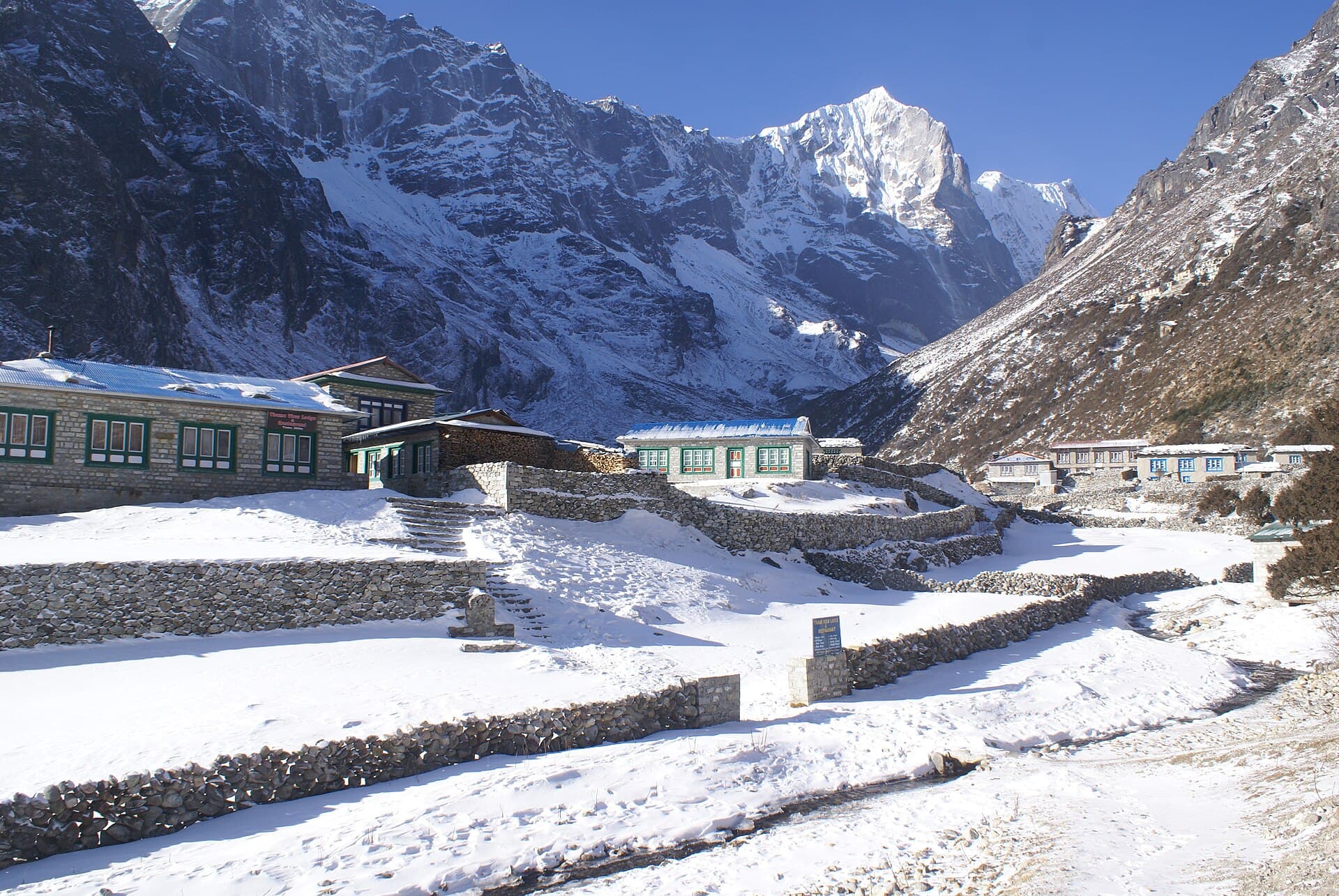
A quiet side valley west of Namche, home of many famous Sherpa mountaineers and the ancient Thame Gompa, on the old salt-trade route toward the Nangpa La.
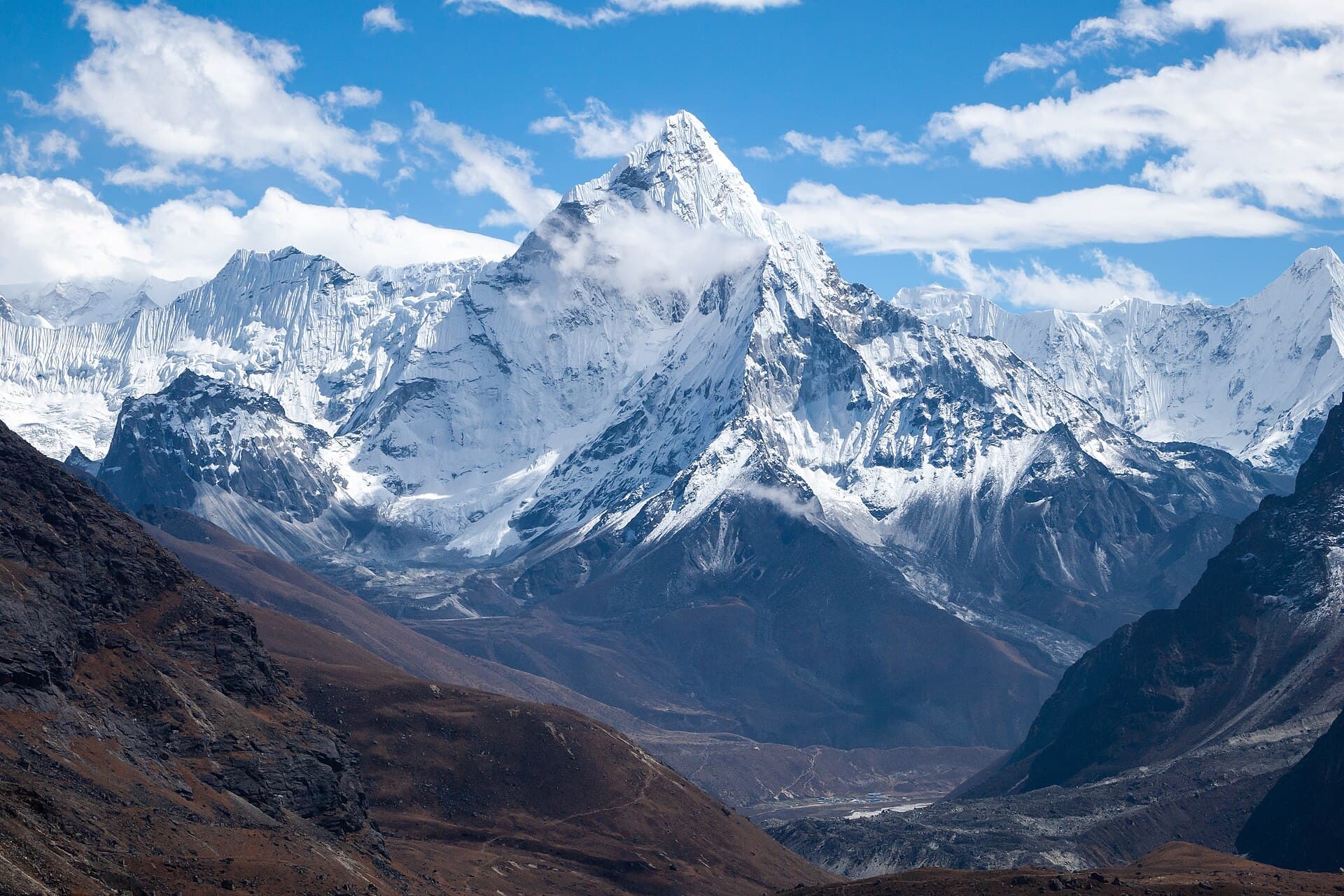
A side-trip from Pangboche to the grassy base camp (4,570 m) beneath the most beautiful peak in Khumbu — often added to an Everest View or EBC itinerary.
Challenging· 8–10 days
Climbing peak
Nepal's highest trekking peak (6,476 m): a long approach through the wild Hinku valley and a glacier climb that is physically huge but technically straightforward.
Extreme· 16–18 days
The Khumbu's most popular 6,000 m climbing objective (6,189 m), usually combined with EBC for acclimatisation; includes a headwall and summit ridge on fixed ropes.
Extreme· 14–18 days
Remote valley beneath Gaurishankar with the huge Tsho Rolpa glacial lake; experienced parties cross the technical Tashi Lapcha pass into Khumbu.
Extreme· 12–18 days
The newly opened route from Narchyang to the north-side base camp used by Maurice Herzog's 1950 Annapurna I first ascent — wild, uncrowded and dramatically close to the mountain's huge north face.
Challenging· 4–6 days
Community-lodge ridge trek between Ghorepani and the Kali Gandaki rim, with in-your-face Dhaulagiri views and an optional pilgrimage day-hike to sacred Khayer Lake (4,660 m).
Moderate· 6–9 days
A community-run eco-lodge route to the 3,300 m Mohare ridge — the 'quiet Poon Hill' — where lodge income funds local schools and clinics.
$20–35/day
Easy· 4–6 days
The gentlest overnight 'trek' from Pokhara: an easy ridge walk to Australian Camp and Dhampus village for sunrise over the whole Annapurna skyline. Ideal with kids.
Best: Year-round (clearest Oct–Apr)
Easy· 1–2 days
Two to three easy days to Nepal's most celebrated Gurung village: stone houses, a heritage museum and Annapurna South filling the horizon.
Best: Year-round (monsoon is wet)
Easy· 2–3 days
A quiet forested ridge south-west of Phewa Lake mixing sacred Panchase peak (2,500 m), mixed Gurung-Magar villages and huge Annapurna–Dhaulagiri panoramas.
Best: Oct–Apr
Easy· 3–4 days
The low-ridge route east of Pokhara walked by Prince Charles in 1980 — rice terraces, Gurung hamlets and Annapurna views, ending near Begnas Lake.
Short trek to one of Nepal's largest Gurung villages beneath Annapurna II and Lamjung Himal, on a quiet corner of the conservation area with strong village-homestay culture.
The classic lower-Mustang walk through the windswept Kali Gandaki gorge: medieval Kagbeni, apple-famous Marpha and the Muktinath pilgrimage temple, with flights or jeeps at both ends.
Best: Mar–Nov (windy afternoons year-round)
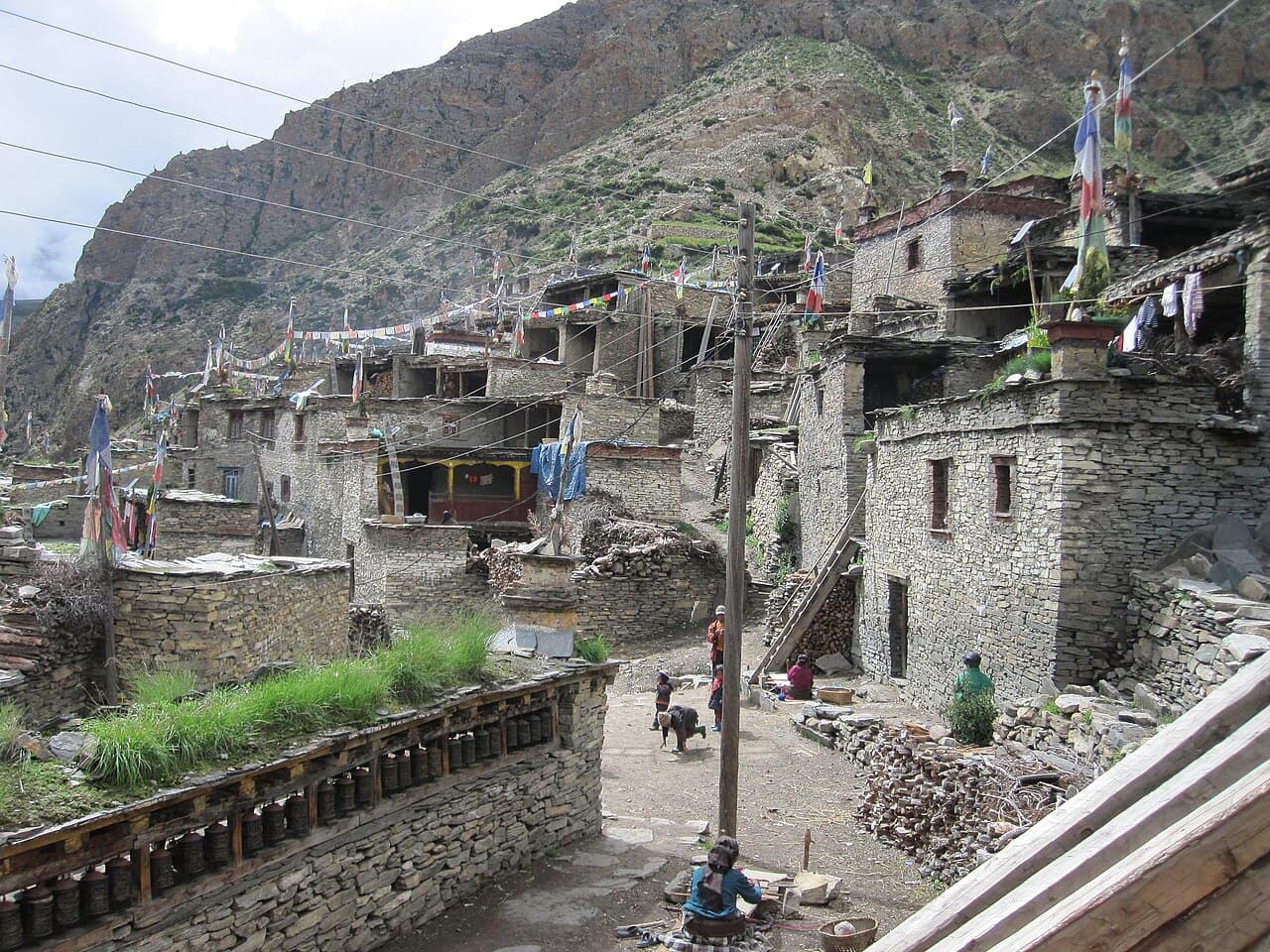
Hidden side valleys off the Annapurna Circuit: the medieval stone villages of Nar and Phu, Tibetan-Buddhist herding culture, and the Kang La pass back to Ngawal.
Best: Apr–May, Sep–Nov
Difficult· 9–12 days
A dramatic Annapurna Circuit side-trip to one of the world's highest large lakes (4,919 m), beneath the Grande Barrière — often combined with the Mesokanto La for experienced parties.
Difficult· 2–4 days
Pilgrimage trek to the sacred alpine lakes where Shiva is said to have quenched the poison's fire — thousands attend the Janai Purnima festival each August.
The full link-up: Langtang valley, the holy Gosaikunda lakes over the Laurebina La (4,610 m), then down the Helambu ridges almost to Kathmandu's doorstep.
Challenging· 12–16 days
Gentle ridges and Hyolmo Buddhist villages within a day's drive of Kathmandu — mid-altitude, monastery-dotted and far quieter than the big-name routes.
Homestay circuit through Tamang villages west of Langtang — Gatlang, Thuman, Briddhim — with hot springs, carved wooden houses and Ganesh Himal views.
Five sacred alpine lakes at 4,100 m north-east of Kathmandu — a short, quiet camping/teahouse trek that spikes with Hindu pilgrims at Janai Purnima.
The hard way out of Langtang: a technical, often-snowbound 5,130 m pass from Kyanjin Gompa south into Helambu. Camping gear and an experienced guide required.
Extreme· 9–12 days
Homestay trails between Langtang and Manaslu under the Ganesh Himal — mixed Tamang and Gurung villages, ridge passes and almost no other trekkers.
Moderate· 7–10 days
A sacred hidden valley (beyul) off the Manaslu trail: ancient gompas at Mu and Rachen, polyandrous Tibetan culture and a tradition of non-violence where hunting is banned.
Challenging· 9–13 days
The standard acclimatisation day on the Manaslu Circuit: a stiff climb from Samagaun past Birendra Lake to the expedition base camp at ~4,800 m.
Challenging· 1 day
Mid-hill circuit through Gorkha's historic and earthquake-rebuilt villages — Barpak, Laprak, Gorkha Durbar — with Manaslu and Buddha Himal on the skyline. No restricted permit needed.
The circuit joining Phoksundo Lake and the Tibetan-farming Dho Tarap valley over the Numa La and Baga La (both ~5,100 m) — wild, high and mostly camping.
Best: May–Jun, Sep–Oct
Difficult· 14–18 days
One of the Himalaya's great expeditions: weeks beyond the road to Shey Gompa and the Crystal Mountain kora, through the land made famous by 'The Snow Leopard' and 'Himalaya'.
Best: May–Sep (rain-shadow)
Extreme· 20–27 days
Nepal's remotest corner: the old Kailash pilgrim route from Simikot through the closed-off Limi villages of Til, Halji and Jang, brushing the Tibetan border.
Best: May–Oct
Rolling 3,000 m grassland plateaus (patans), oak-rhododendron forest and the ashram of Khaptad Baba — far-west Nepal's spiritual heartland, all but unknown to foreign trekkers.
High grassland ridges to the Badimalika temple (4,200 m), one of far-west Nepal's holiest Bhagwati shrines — a major pilgrimage in August, empty wilderness otherwise.
Challenging· 6–9 days
To the foot of Api (7,132 m), the far west's highest peak, past Kali Dhunga lake — a raw, newly promoted route inside Api Nampa Conservation Area.
Difficult· 8–12 days
The classic overland approach to Rara Lake through the historic Sinja valley — cradle of the Nepali language — and Chuchemara ridge viewpoints.
$20–40/day
Through the biodiverse Barun valley of Makalu Barun National Park to the base of the world's fifth-highest peak — steep, wild and rewarding, with basic lodges most of the way.
Steep forest trail to the wish-granting Pathibhara Devi temple (3,794 m) with Kanchenjunga on the horizon — eastern Nepal's most important pilgrimage, now also served by a cable car.
Moderate· 2–4 days
Nepal's 'rhododendron capital': a gentle ridge walk through the world's largest natural rhododendron forest, blazing red and pink each March–April, with Makalu and Kanchenjunga views.
Best: Mar–Apr (bloom), Oct–Nov
A community-built ridge trail through the Kirat Rai heartland — shamanic Mundum culture, homestays, and a horizon running from Everest to Kanchenjunga.
The old Everest approach from the east: subtropical Arun river country over the Salpa Bhanjyang into Solu — village life, low-altitude warmth and almost no trekkers.
The Great Himalaya Trail connector between the Kanchenjunga and Makalu regions over the 5,177 m Lumba Sumba pass — expedition-style camping through genuinely untouched country.
Extreme· 16–20 days
Kathmandu's highest rim summit (2,732 m) through Shivapuri National Park forest, passing Nagi Gompa nunnery and the sacred Bagdwar spring — source of the Bagmati river.
Moderate· 1 day
The classic first leg of the valley-rim circuit: waterfalls and Tamang villages up to the Chisapani ridge, usually as an overnight with a Himalayan sunrise.
Moderate· 1–2 days
Nepal's most famous sunrise hill (2,175 m): on a clear morning the panorama runs from Ganesh Himal past Langtang toward Everest. The panoramic hiking trail to Dhulikhel is a lovely day walk.
South-rim ridge above Pharping to a small shrine-topped summit (2,285 m) with Langtang and Gaurishankar views — pine forest, quiet trails, easy taxi access.
Easy· 1 day
Historic pass where Prithvi Narayan Shah first saw the valley, now topped by the Bhaleshwor Mahadev temple. Hike up through forest from Thankot or ride the cable car and walk down.
The valley rim's highest point (2,782 m) above Godavari — Nepal's premier birdwatching forest, flowering rhododendrons in spring, and a Phulchowki Mai shrine at the summit.
Best: Oct–May (birds year-round)
Forest climb inside the Nagarjun (Rani Ban) reserve to a Buddhist stupa viewpoint where Guru Rinpoche is said to have meditated — the quickest 'proper hike' from Thamel.
Best: Year-round (muddy in monsoon)
North-west rim ridge known for strawberry farms, a memorial park and clean Ganesh Himal–Langtang views — easily combined with trout lunch spots.
Grassy pass on the south-east rim above Lamatar — picnic country with valley-and-Himalaya views, popular with local cyclists and weekend walkers.
Rolling farmland trail linking Dhulikhel's viewpoint, the great Namobuddha stupa (where the Buddha-to-be gave his body to a starving tigress) and medieval Panauti.
Short ridge walk from Sitapaila up to the gleaming Druk Amitabha monastery — Kathmandu spread below and a taste of living Drukpa Buddhism. Weekends only for interior visits.
A dramatic cliff-edge ridge above Budhanilkantha with the whole valley at your feet — short, steep and increasingly popular for sunrise.
Flat village walk through two living Newar settlements south of Patan — Rato Machindranath's winter home, mustard-oil presses and wood-carving workshops.
Hilltop Newar town that resisted three sieges: Bagh Bhairav temple, Chilancho stupa and lanes of traditional brick houses, with famous local Newari food to finish.
Where Manjushri's sword drained the valley's ancient lake: the Chobhar gorge, cave and Jal Binayak temple, plus wintering birds at sacred Taudaha pond.
Best: Year-round (birds Nov–Feb)
Quiet fortress-village ridge beyond Sanga's giant Shiva statue, overlooking terraced Kavre farmland — an easy escape with almost no crowds.
Nepal's national botanical garden under Phulchowki: easy paths, picnic lawns and serious plant collections — the gentlest 'green day' from the city.
Pokhara's iconic dawn ridge (1,600 m): first light igniting Machapuchare and the Annapurnas above Phewa Lake. Hike from lakeside, drive, or ride the Annapurna Cable Car.
Row across Phewa Lake and climb through forest to the white Shanti Stupa — the classic half-day in Pokhara, with lake, city and Annapurna in one frame.
Ridge above the Peace Pagoda crowned by Nepal's tallest Shiva statue (51 ft) — a newer viewpoint that pairs naturally with the pagoda for a full ridge day.
The 'other' Pokhara viewpoint east of the city: a quiet forest climb to a view tower with the same Annapurna panorama and none of Sarangkot's traffic.
Easy lakeshore-and-ridge loop between Pokhara's two quieter lakes — paddy fields, fishing boats and the Sundari Danda saddle viewpoint between them.
Gurung village eco-lodges on a ridge north of Pokhara — organic farm food, Machapuchare filling the sky, and an easy walk down to Hemja or across toward Dhampus.
Follow the old trekking route along the Sarangkot–Naudanda ridge: paddies, village tea shops and constant Annapurna views, descending to the Yamdi Khola.
A 5 m stone Vishnu reclining on a bed of snakes in a sacred pond — carved from a single boulder some 1,400 years ago, at the foot of Shivapuri.
The valley's oldest temple (a UNESCO site), a Vishnu sanctuary on a ridge above Bhaktapur packed with masterpiece Licchavi-era stone carving — including Nepal's oldest inscription.
Powerful Kali shrine in a forested ravine at the valley's southern edge, busiest on Tuesdays and Saturdays when devotees offer sacrifices; pairs with Pharping's Buddhist caves.
Where Guru Rinpoche attained realization in the Asura cave — a hillside of monasteries, retreat centres and the self-arisen Tara of Pharping, sacred to all Tibetan lineages.
Buddhist monastery
Famous teaching monastery on a hill north of Boudha — travellers join meditation courses from a day to a month; gardens and valley views even for casual visitors.
Tantric temple
Ancient tantric goddess temple in forest above the Newar trading town of Sankhu — moss-grown chaityas, stone spouts and one of the valley's most atmospheric short climbs.
Recognised in 2009 as the head of Kedarnath's Shiva — completing a 4,000-year-old search — this Bhaktapur shrine now draws pilgrims bound for both temples.
Ganesh shrine
One of the valley's four guardian Ganesh shrines, set in forest where the first sunrays strike — Bhaktapur families come here for children's blessings.
Hilltop Kalika shrine above Gaindakot with sweeping views over the Narayani river and Chitwan plains — climbed by a famous 1,800-plus stone stairway; a cable-car project is underway to ease the ascent.
Best: Year-round (hot Apr–Jun)
Sacred lake
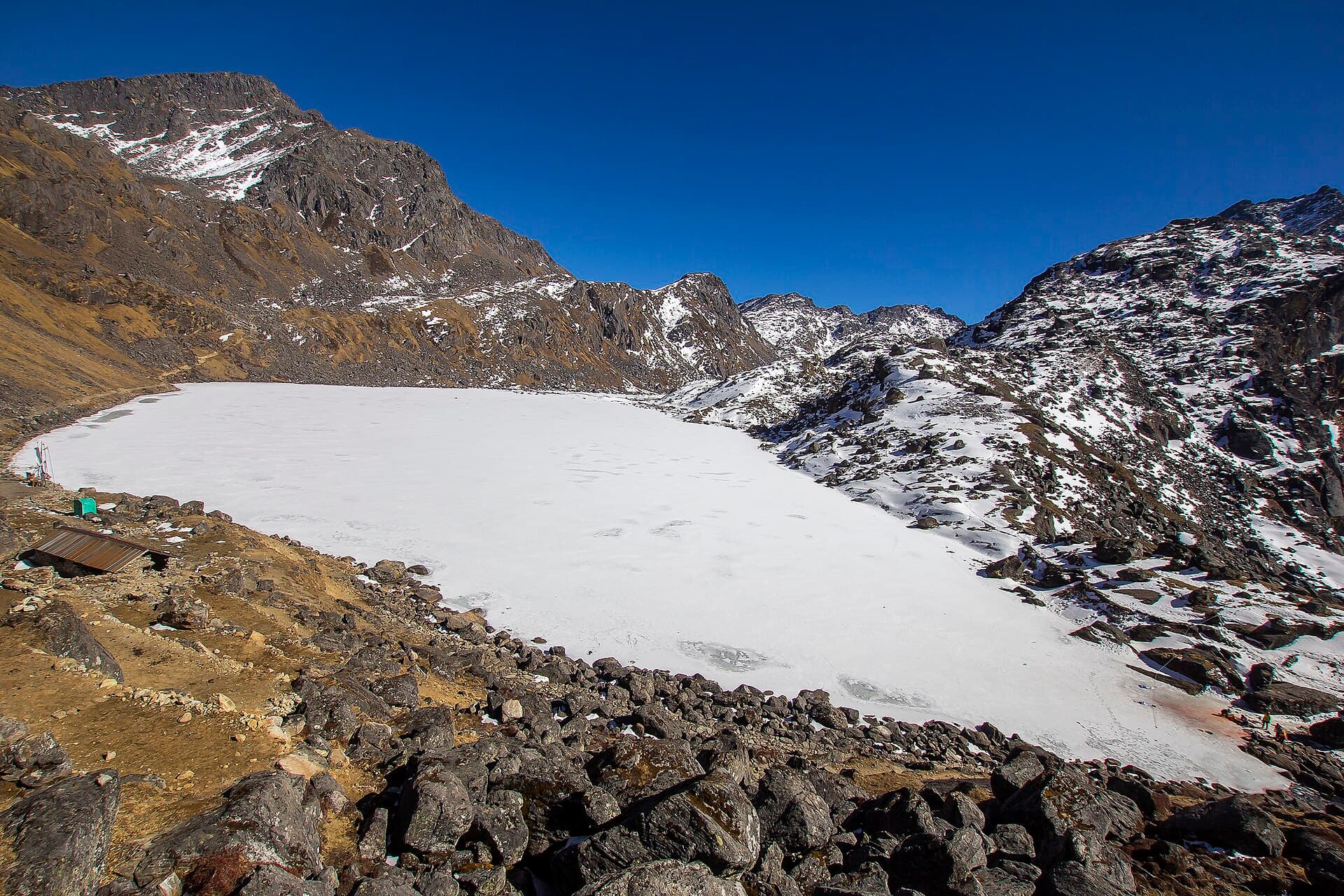
Shiva's alpine lake at 4,380 m, born of his trident strike — tens of thousands of pilgrims and jhankri shamans ascend for the full-moon Janai Purnima dip each August.
Best: Aug festival, Apr–Nov for trekking
The excavated citadel widely identified as ancient Kapilvastu, where Prince Siddhartha lived his first 29 years — quiet mango-shaded ruins 27 km west of Lumbini.
Terai shakti shrine known worldwide for its vast five-yearly mela; a regional pilgrimage centre year-round.
Confluence site
Sacred confluence where the Kali Gandaki meets the Trishuli — ashrams, ghats and retirement hermitages at one of Nepal's holiest riverside sites, near Narayangadh.
Best: Year-round, Maghe Sankranti (Jan)
Cave shrine
Cave shrine holy to three faiths: Shiva's refuge for Hindus, the Maratika cave of Guru Rinpoche's immortality practice for Buddhists, and a Kirat holy site — eastern Nepal's Pashupatinath.
Vishnu shrine
One of Hinduism's four great 'chhetras', where Vishnu as the boar Varaha defeated the demon Hiranyaksha — at the Koka-Koshi confluence near Dharan.
'Gateway to heaven' ridge-top temple complex in Pyuthan founded by Swargadwari Mahaprabhu, where sacred fires have burned continuously and thousands trek up for Baisakh Purnima.
Sacred Kali Gandaki confluence with the Rishikesh (Vishnu) temple — famous for shaligram fossil-stones and Maghe Sankranti bathing; old Newar trade town around it.
Cliff-side goddess shrine on the Sandhikharka road where travellers stop for blessings — one of western Nepal's most-visited Devi temples.
Pilgrimage hill
Forested 2,300 m hill above Tamghas dotted with ashrams and shrines — the meditation seat of sage-king Yogi Narahari Nath, with a serene rhododendron summit walk.
Pokhara's oldest and most important temple, a hilltop Bhagwati shrine in the old bazaar with Machapuchare rising behind the bell-ringing morning crowds.
Lake temple
The two-tiered pagoda on its island in Phewa Lake — Pokhara's signature scene, reached by a short rowing-boat hop from Lakeside.
Shiva cave-shrine descending in chambers to a window behind Davis Falls' plunge — Pokhara's most curious sacred site, directly across from the falls.
Hilltop Theravada-style monastery in eastern Pokhara with painted prayer halls and quiet city-and-mountain views — a gentle counterpoint to Lakeside bustle.
Jumla bazaar's guardian shrine of sage Chandannath, who by legend brought the famous marsi rice to these 2,500 m valleys — spiritual centre of the old Khas kingdom.
Ashram
The meadow hermitage of the 20th-century saint Khaptad Baba, inside Khaptad National Park — pilgrims and trekkers share the plateau each Ganga Dashahara.
The far west's revered Shailya Devi shrine at Silgadhi — a regional Dashain magnet and the cultural anchor of Doti's old hill capital.
Hilltop goddess temple above Dadeldhura bazaar with Api-Saipal snow views — paired locally with Amargadhi fort of Nepal's unification hero Amar Singh Thapa.
Traveller district
Kathmandu's traveller quarter for fifty years: gear shops, bookstores, live music and every cuisine — chaotic, convenient and the natural base for trek logistics.
Market
The valley's spice-and-everything market on the old Tibet trade diagonal — six streets meeting at the Annapurna temple in a sensory rush of grain sacks, marigolds and copper pots.
Newar town
Perfectly preserved little Newar town at a sacred river confluence, with the 13th-century Indreshwar Mahadev — one of Nepal's oldest pagodas — and pioneering community homestays.
Hilltop town that defied Prithvi Narayan Shah's sieges — steep lanes, Bagh Bhairav temple and the valley's best traditional Newari kitchens.
Palace-fort
Birthplace-palace of Prithvi Narayan Shah, unifier of Nepal — a fortress-temple ridge (Gorakhnath cave and Kalika shrine) 1,700 steps above Gorkha bazaar, with Manaslu views.
The seven-storey palace from which Prithvi Narayan Shah directed the conquest of the valley — a sleepy, atmospheric hill town on the old Tibet route, quietly restored since 2015.
Newar trading town on the old India–Tibet route: cobbled lanes, dhaka-weave workshops, Rani Mahal ('Nepal's Taj') on the Kali Gandaki below, and the Srinagar hill viewpoint.
Palace
A Rana general's white riverside palace of 1893, built for his beloved queen on the Kali Gandaki — reached by a lovely walk or jeep track down from Tansen.
Cultural city
Capital of Mithila culture: the Janaki temple, dozens of sacred ponds, Maithili women's wall-painting tradition and Nepal's only (heritage) railway corridor to India.
Tea country
Nepal's Darjeeling: rolling tea estates at Kanyam and Fikkal, sunrise over the plains from Shree Antu, and homestays among cardamom and dairy farms.
Hill towns
Tidy eastern hill bazaars on the road to Basantapur — orange orchards, Friday haat markets, tongba (hot millet beer) and Makalu views from nearby ridges.
City
The east's youthful gateway city under the Bhedetar ridge — ex-Gurkha heritage, Budhasubba temple, and the staging post for Koshi Tappu, Barahachhetra and the eastern hills.
Sherpa town
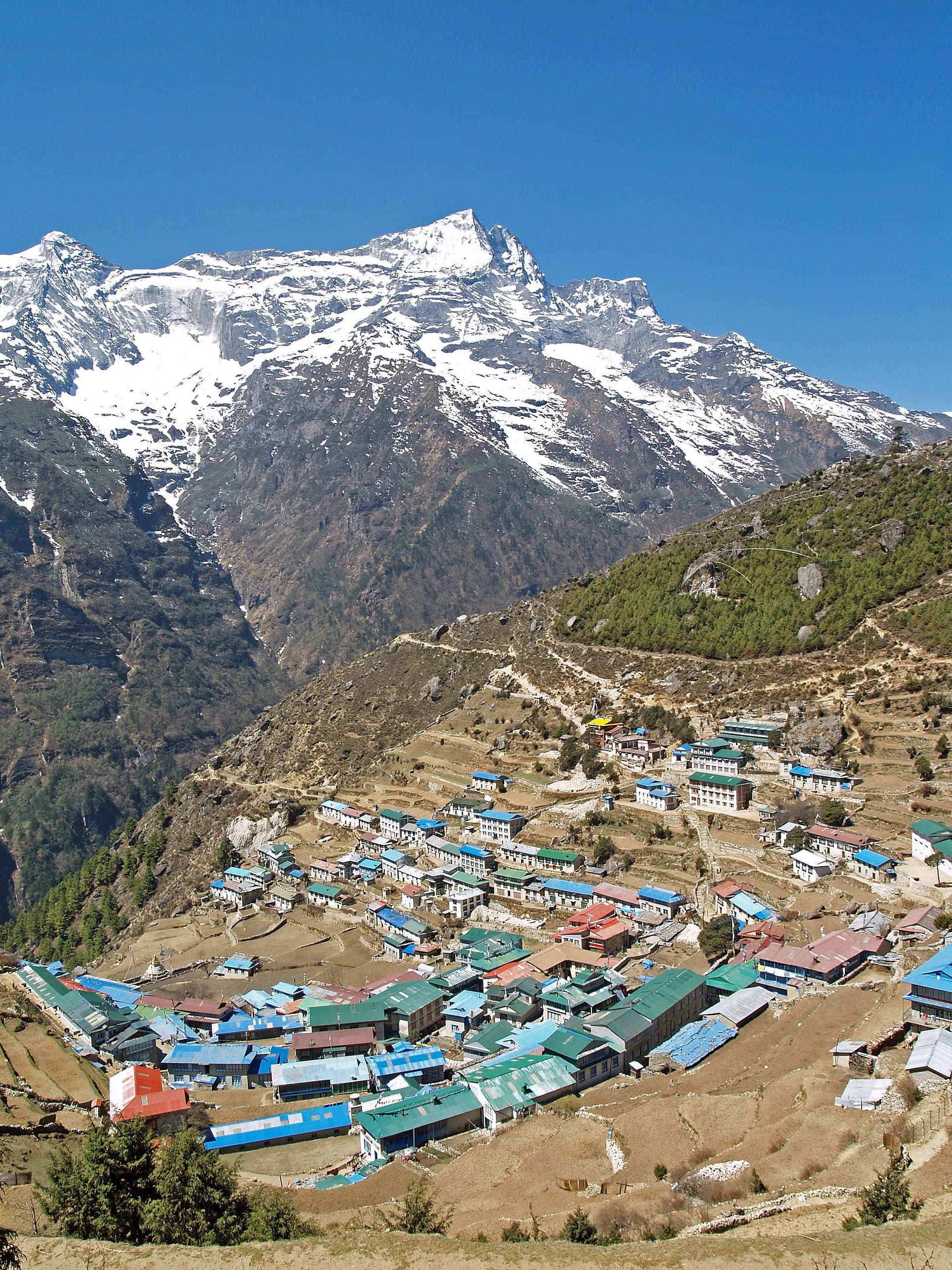
The amphitheatre-shaped Sherpa capital at 3,440 m — Saturday market, Sherpa Culture Museum, mountaineering history and the social hub of every Everest trek.
Walled city
The 15th-century walled capital of the Kingdom of Lo: whitewashed lanes, towering red gompas with masterpiece murals, and the raja's palace under desert cliffs.
Thakali village
Whitewashed Thakali village of flagstone lanes famous for apples, apple brandy and some of Nepal's best village food — an essential Kali Gandaki stop.
Medieval village
Mud-walled medieval village at the gateway of Upper Mustang, where the Kali Gandaki braids through desert — ancient Kag Chode monastery and Hindu shraddha rites at the river.
Model village
SAARC's 'model tourism village': a Gurung community-homestay pioneer on a 2,100 m ridge facing Annapurna II and Lamjung Himal, with cultural shows and honey-hunting lore.
Nepal's first community-homestay village (1997): slate-roofed Gurung houses, welcome ceremonies and unhurried village rhythm south of Pokhara.
Newar village
Newar village over the Chandragiri pass on the valley's old walking route to India — goat-cheese farm, olive groves and easy overnight escapes from Kathmandu.
Viewtower town
The widest Himalayan panorama of any Nepali roadhead — a claimed 400 km arc from Dhaulagiri to Everest from the view tower on the old Tribhuvan Highway.
Old Newar trade town on the valley rim with a famous sunrise ridge, the 1,000-step Kali temple walk and the start of the Namobuddha trail.
Living Newar farming village famed for traditional mustard-oil pressing and the Shikali Jatra — tentatively UNESCO-listed and fiercely protective of its fields.
The historic capital of Thakali salt-trade wealth: grand courtyard houses, a working brandy distillery and Dhaulagiri looming across the windy Kali Gandaki.
Gurung villages
Epicentre villages of the 2015 earthquake, proudly rebuilt — stone-stair Gurung settlements on the Lower Manaslu trail with strong Gurkha soldiering heritage.
Wildlife reserve
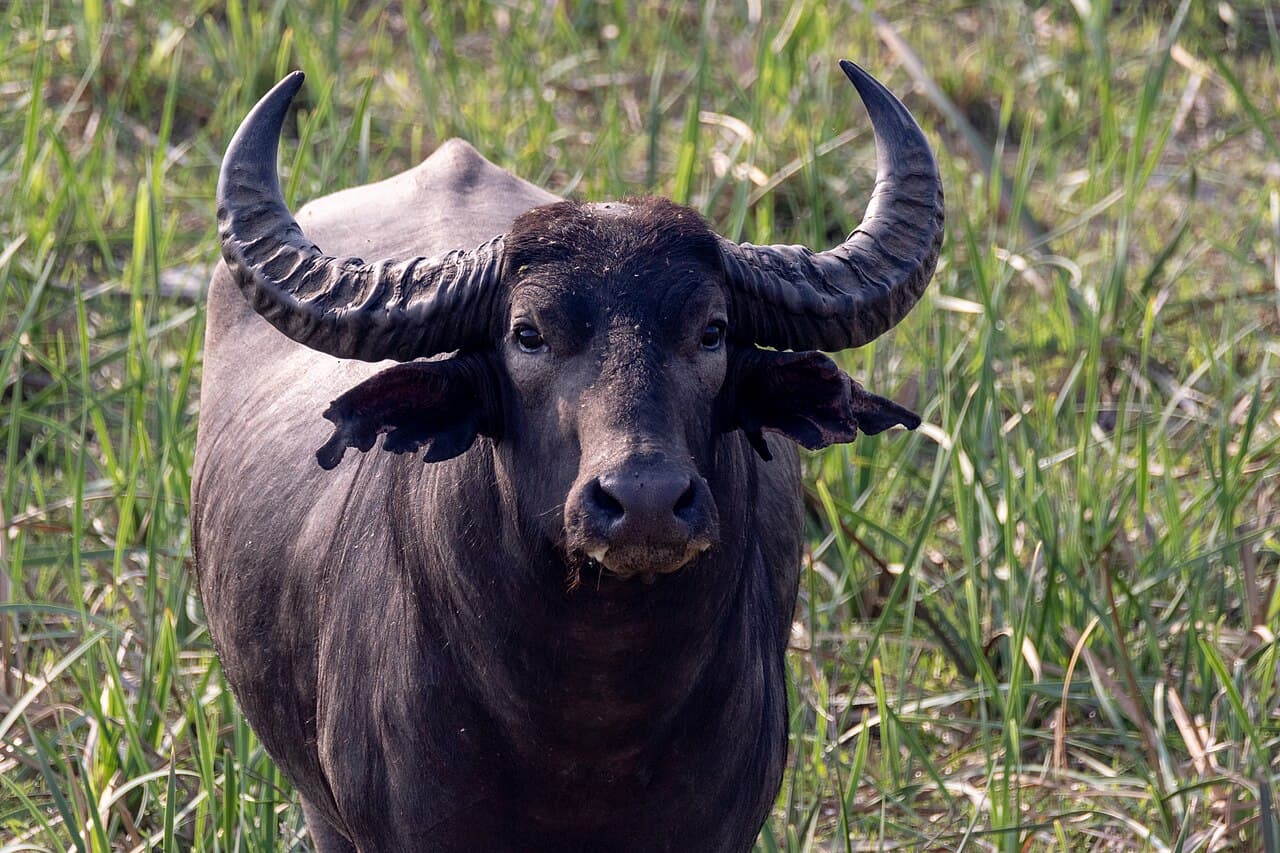
Nepal's birding mecca on the Koshi barrage wetlands — 500+ species including migratory rarities, wild water buffalo (arna) and relaxed tented-camp safaris.
Best: Nov–Feb (migratory season)
Vast far-west grasslands holding the world's largest swamp-deer herds, plus tigers, elephants and superb grassland birding — Nepal's least-visited Terai park.
Chitwan-to-Bardia tiger corridor country: young park, growing tiger numbers and almost no visitors — usually combined with adjacent Bardia.
Chitwan's quieter eastern extension — the same tiger-rhino ecosystem with jeep access from Birgunj/Hetauda and a fraction of the footfall.
Kathmandu's watershed forest park: leopards, 300+ bird species and the trailheads for Shivapuri, Bagdwar, Jamacho and the Chisapani route — nature within an hour of Thamel.
Conservation area
Nepal's largest protected area and the home of its most-walked trails — from subtropical gorges to trans-Himalayan desert, managed with communities under NTNC's pioneering model.
The UNESCO-listed Everest park: snow leopard and red panda habitat around the world's highest peaks, and living Sherpa sacred-valley culture.
Nepal's smallest park around its largest lake — pine-juniper forest, red pandas and the bluest water in the Himalaya.
Nepal's largest park, trans-Himalayan Dolpo: snow leopards, blue sheep, Bon monasteries and the turquoise Phoksundo Lake.
From 400 m river jungle to 8,000 m summits in one park — Nepal's steepest biodiversity gradient, with red pandas in cloud forest below Makalu's granite walls.
22 rolling upland meadows fringed by oak and rhododendron — a landscape unlike anywhere else in Nepal, shared by pilgrims, shepherds and barking deer.
Reserve
Nepal's only hunting reserve (licensed blue-sheep quotas fund conservation) and a spectacular trekking alternative: wide valleys, Dhaulagiri views and Magar herding culture.
The corridor between Langtang and Sagarmatha parks: Rolwaling's sacred peaks, Tsho Rolpa lake and Sherpa-Tamang high valleys.
Culture + safari
The indigenous people of the Terai jungles: village walks, mud-house homestays, stick-dance evenings and distinctive cuisine — best experienced in Chitwan and Bardia buffer zones with community-run hosts.
Pokhara's centrepiece: wooden boats, the Tal Barahi island temple and — on still mornings — a perfect Machapuchare reflection.
Pokhara's quieter second lake amid paddy terraces — fish farms, lakeside resorts and none of Lakeside's bustle.
Nepal's largest and arguably most beautiful lake at 2,990 m — deep blue water ringed by pine and snow ridges, in remote Karnali.
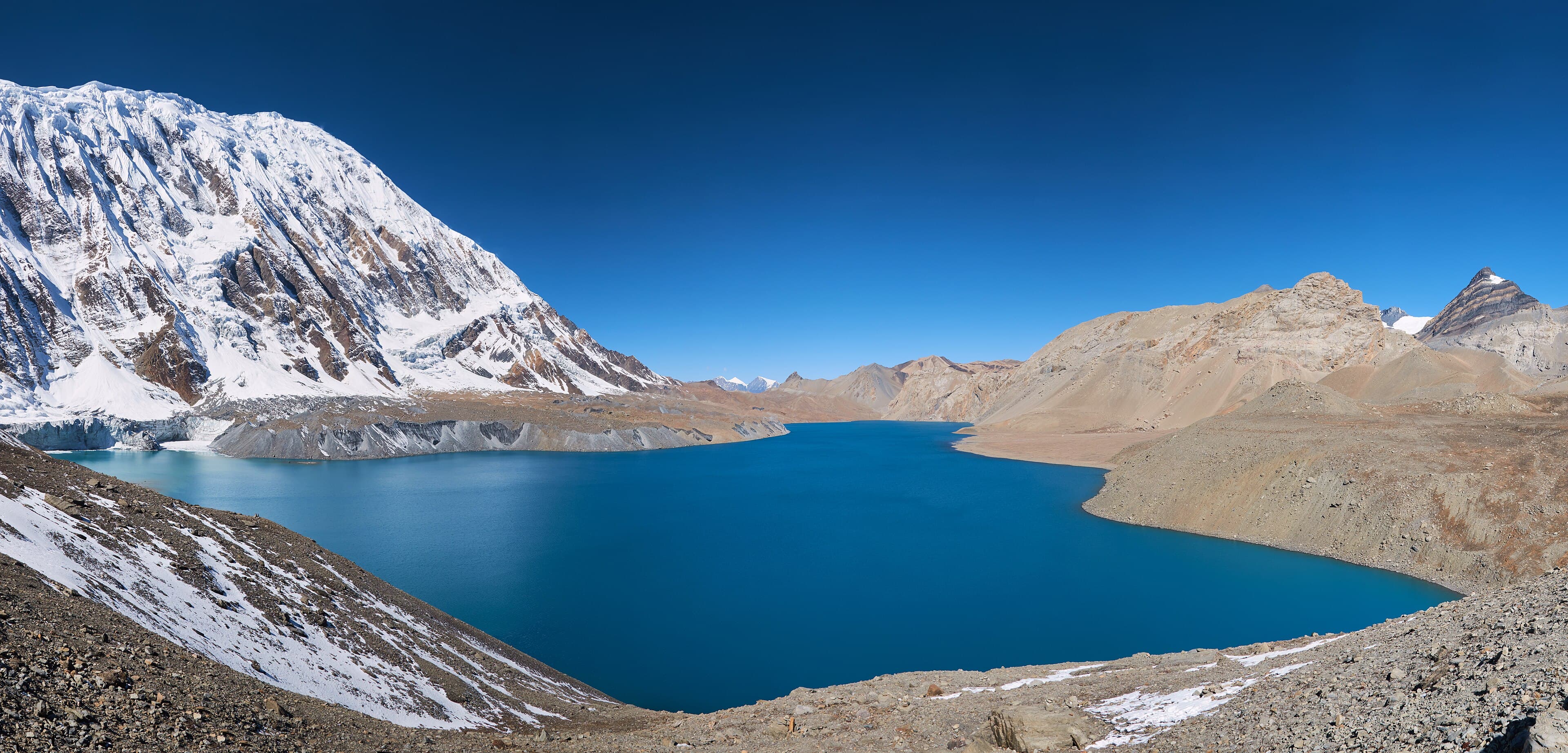
One of the world's highest large lakes (4,919 m), beneath the Grande Barrière of the Annapurnas — a bucket-list side trip from Manang.
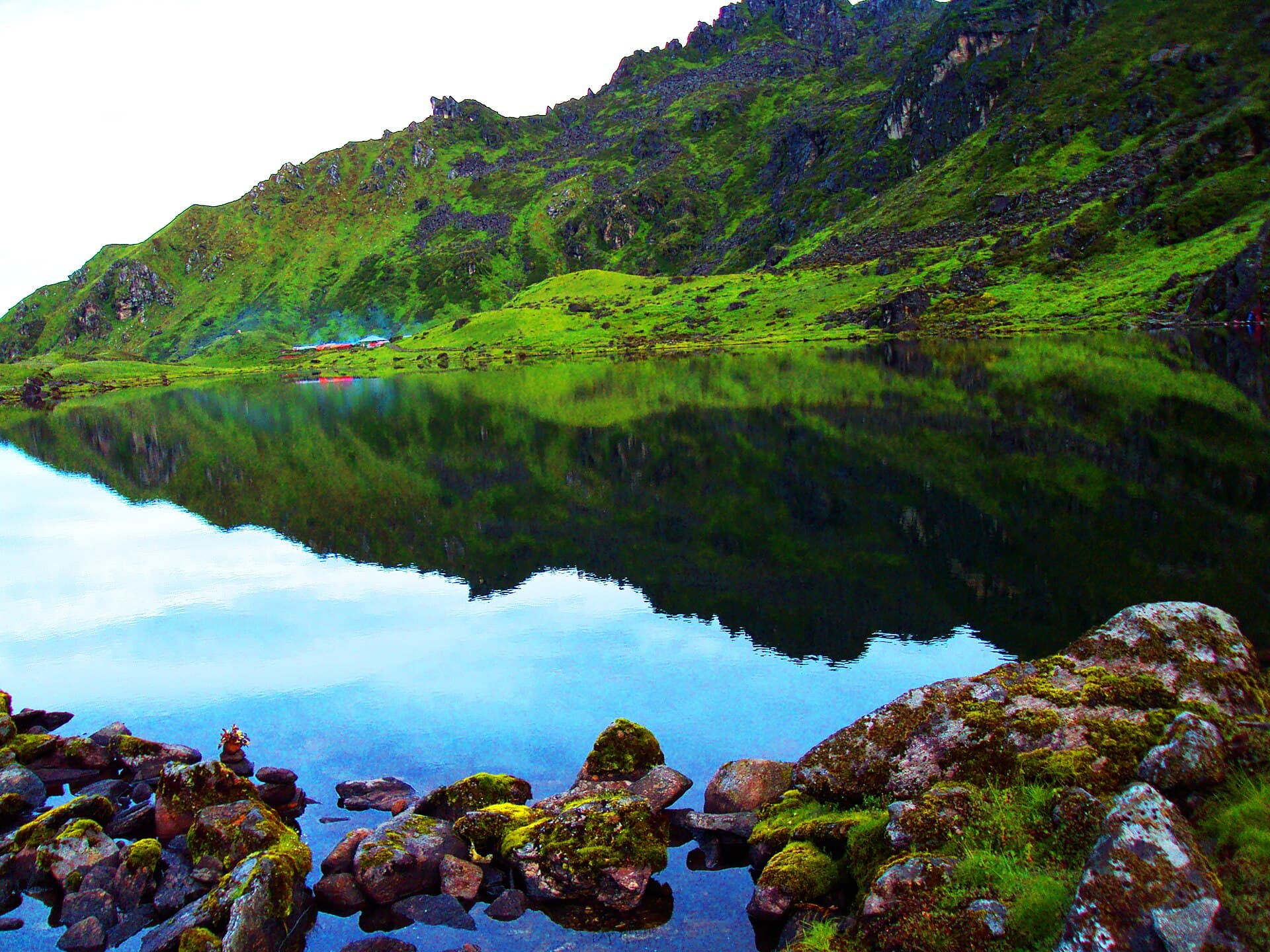
Dolpo's impossible turquoise: Nepal's deepest lake, sacred to the Bon religion, below Ringmo village and a 167 m waterfall.
A chain of six sacred glacial lakes beside the Ngozumpa Glacier — the world's highest freshwater lake system, ringed by 8,000 m peaks.
The last remnant of the valley's primordial lake, guarded by naga legends — winter home to migratory waterfowl on the Dakshinkali road.
Nepal's largest reservoir at Markhu — boating, fresh grilled fish and hill scenery, an easy overnight paired with Chitlang.
Pokhara's famous disappearing waterfall, plunging into a sinkhole that feeds the Gupteshwor cave stream — thundering in monsoon, delicate in spring.
A 100 m+ roadside cascade on the Kali Gandaki gorge road between Tatopani and Jomsom — in the world's deepest gorge, between Dhaulagiri and Annapurna.
Nepal's highest waterfall (~365 m), a silver thread off the eastern hills near Tehrathum — spectacular and almost entirely unvisited.
Sculpted canyon and swimming holes on the old Mugling road — Nepal's best-known canyoning venue, doable as a day trip with operators.
Nepal's largest cave — a cathedral chamber of stalactites and bats below Bandipur, reached by a short forest walk from Bimalnagar.
Pokhara's limestone show-caves: an easy walkway loop in Mahendra and a squeeze-through bat colony next door for the adventurous.
Chambered cave descending to a viewing window behind Davis Falls' plunge pool, with a revered Shiva shrine partway down.
The classic Everest viewpoint (5,545 m) above Gorak Shep — the closest a trekker gets to the summit pyramid without a climbing permit.
Nepal's most famous sunrise platform (3,210 m): Dhaulagiri, Annapurna and Machapuchare igniting at dawn above Ghorepani.
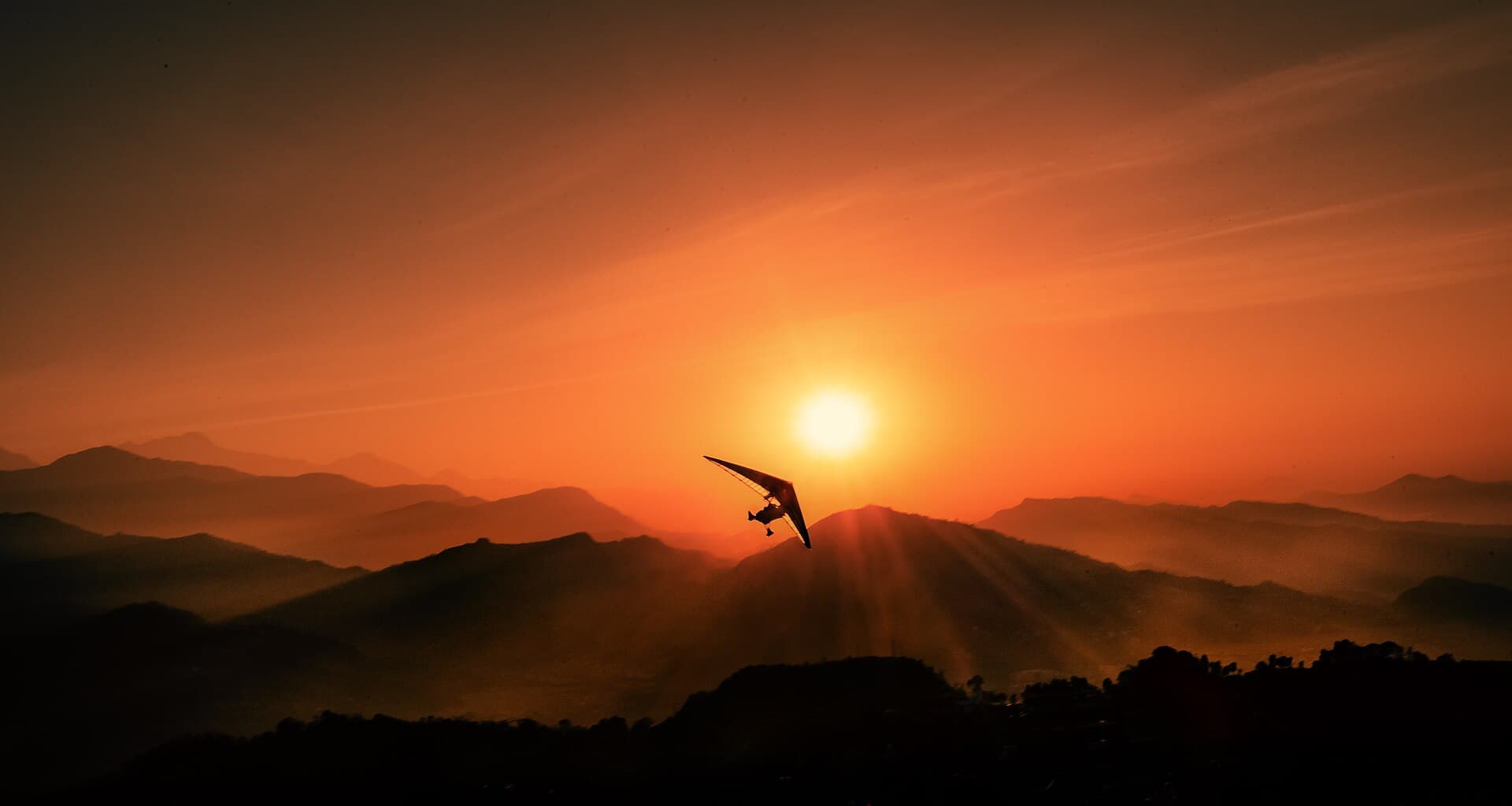
Pokhara's dawn balcony and paragliding launch — Annapurna panoramas at sunrise, thermals and tandem wings by mid-morning.
The east's beloved sunrise hill over tea gardens and the plains, with Kanchenjunga on the horizon — homestay country at its best.
A 400 km Himalayan arc — Dhaulagiri to Everest — from the tower on the old Tribhuvan Highway; at its sharpest on crisp winter mornings.
The valley rim's classic panorama tower — on the clearest days the horizon stretches from Annapurna to (a tiny) Everest.
Cable-car summit with the Bhaleshwor Mahadev temple and a sweep from Annapurna to Everest over the whole Kathmandu bowl.
A serious, remote camping expedition around the world's seventh-highest peak, crossing the French Pass and Dhampus Pass.
Best: April-May, October-November
Difficult